Dr Viktor Frankl’s

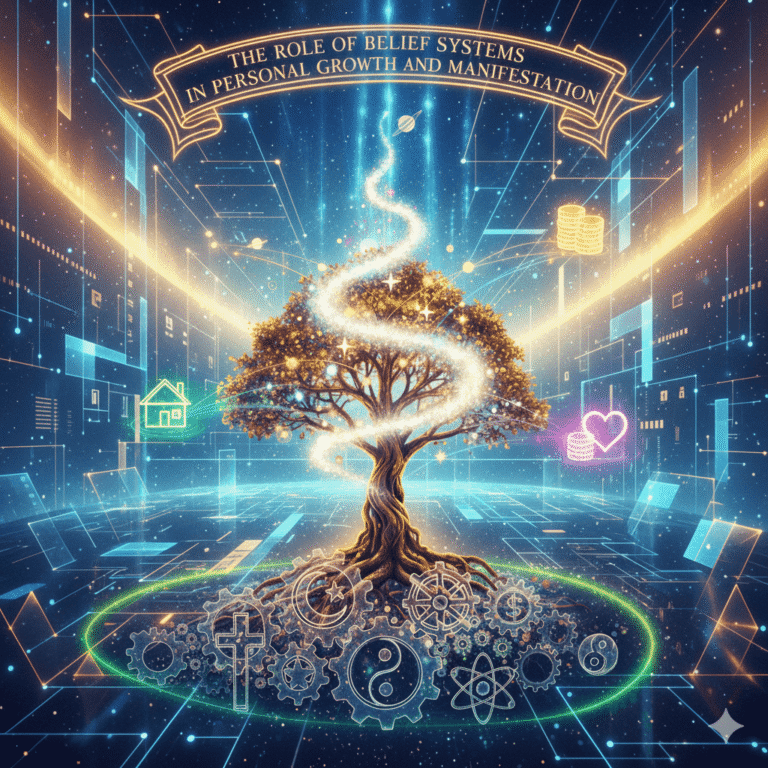
Viktor Frankl’s story is a powerful example of belief systems. Despite enduring the horrors of four Nazi concentration camps during the Holocaust, he survived by finding meaning and purpose in life. He lost his family but believed that even in suffering, life has meaning. This strong belief helped him stay mentally resilient and ultimately led him to develop logotherapy, a therapy focused on finding personal meaning, showing how belief systems can transform even the darkest situations.
What is Belief systems?
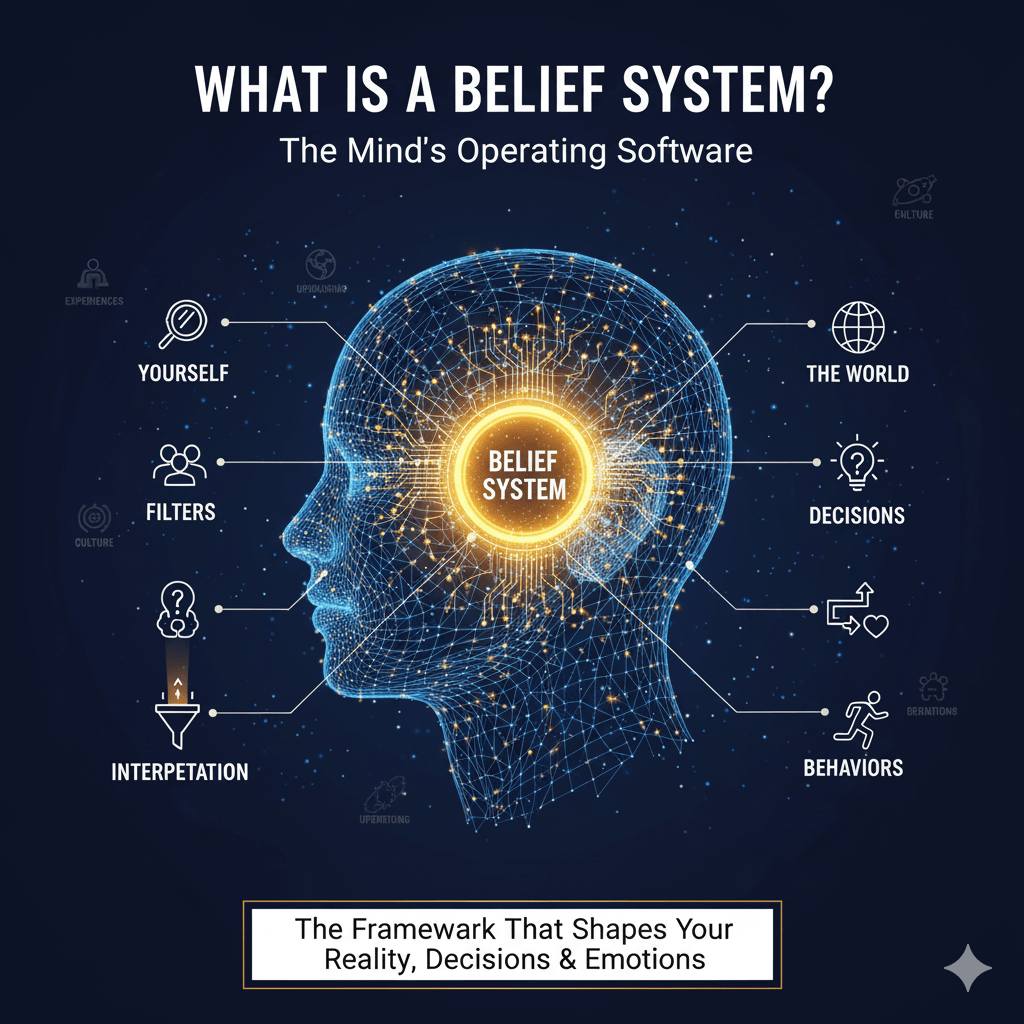
Belief systems are core principles and ideas that shape how we understand the world. They guide our thoughts, feelings, and actions by telling us what we accept as true. These beliefs develop from culture, family, and experiences, influencing how we behave and interpret life events. Belief systems form the foundation of our mindset and decision-making, affecting every part of our lives.
How Does Belief Systems works?
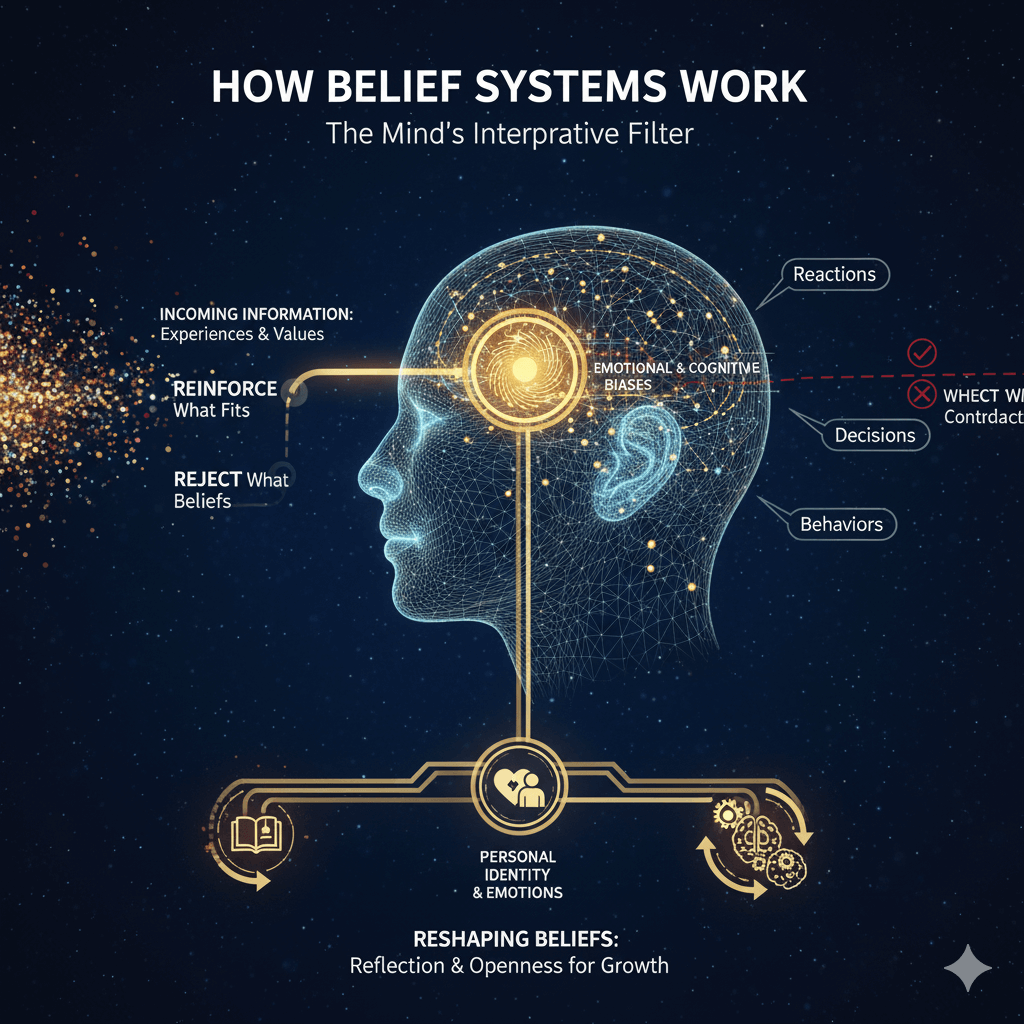
Belief systems work by shaping how we interpret the world based on learned experiences and core values. They filter incoming information through emotional and cognitive biases, reinforcing what fits our beliefs and rejecting what doesn’t. This filtering influences our reactions, decisions, and behaviors. Strong beliefs connect deeply with personal identity and emotions, making them resistant to change, but repeated reflection and openness can help reshape them for personal growth and better decision-making.
How Belief Systems Develop?
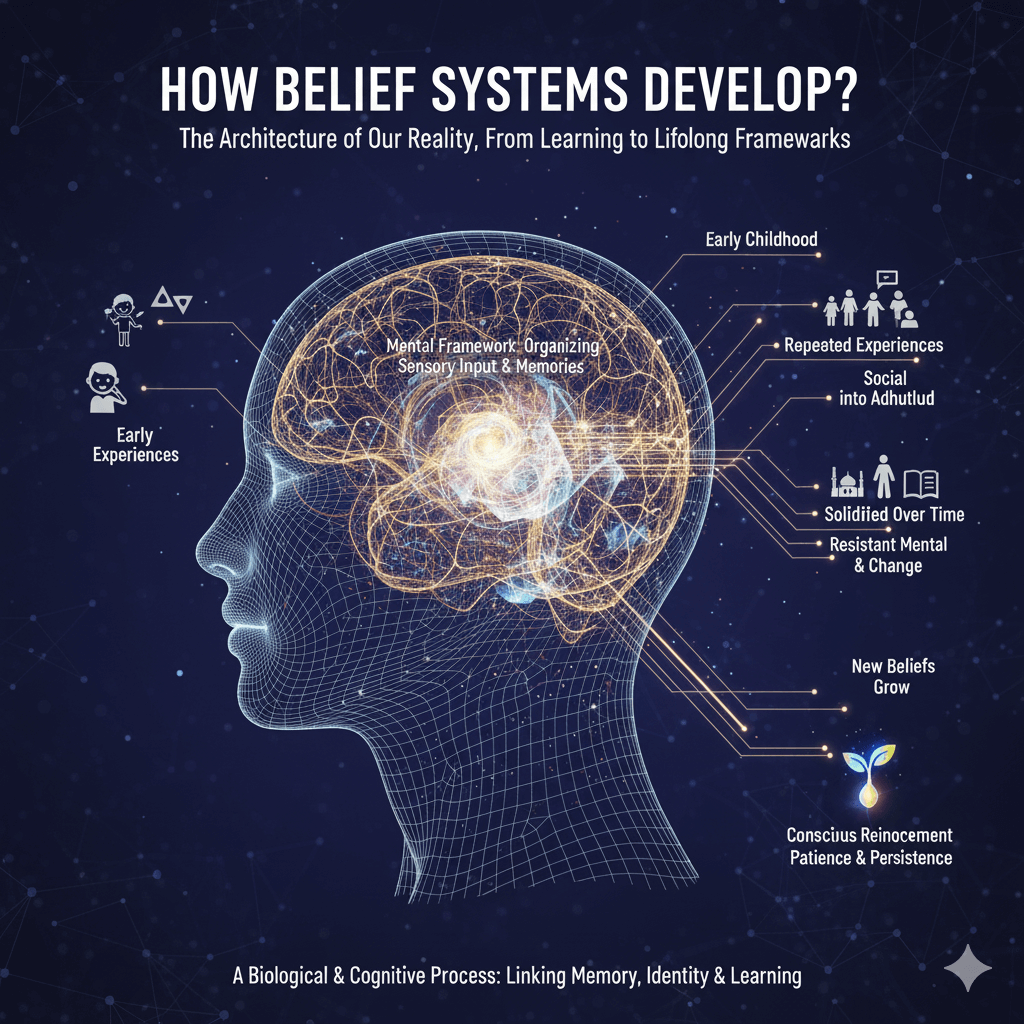
Belief systems develop through a gradual process that begins in early childhood and continues into adulthood. They form as the brain organizes sensory input and memories, creating a mental framework to interpret the world. Over time, repeated experiences and social influences solidify these beliefs, making them deeply ingrained and resistant to change. New beliefs grow by consciously introducing and reinforcing different thoughts, which gradually reshape existing mental patterns through patience and persistence. This process is both biological and cognitive, linking memory, identity, and learning.
What influences shape the development of belief systems?
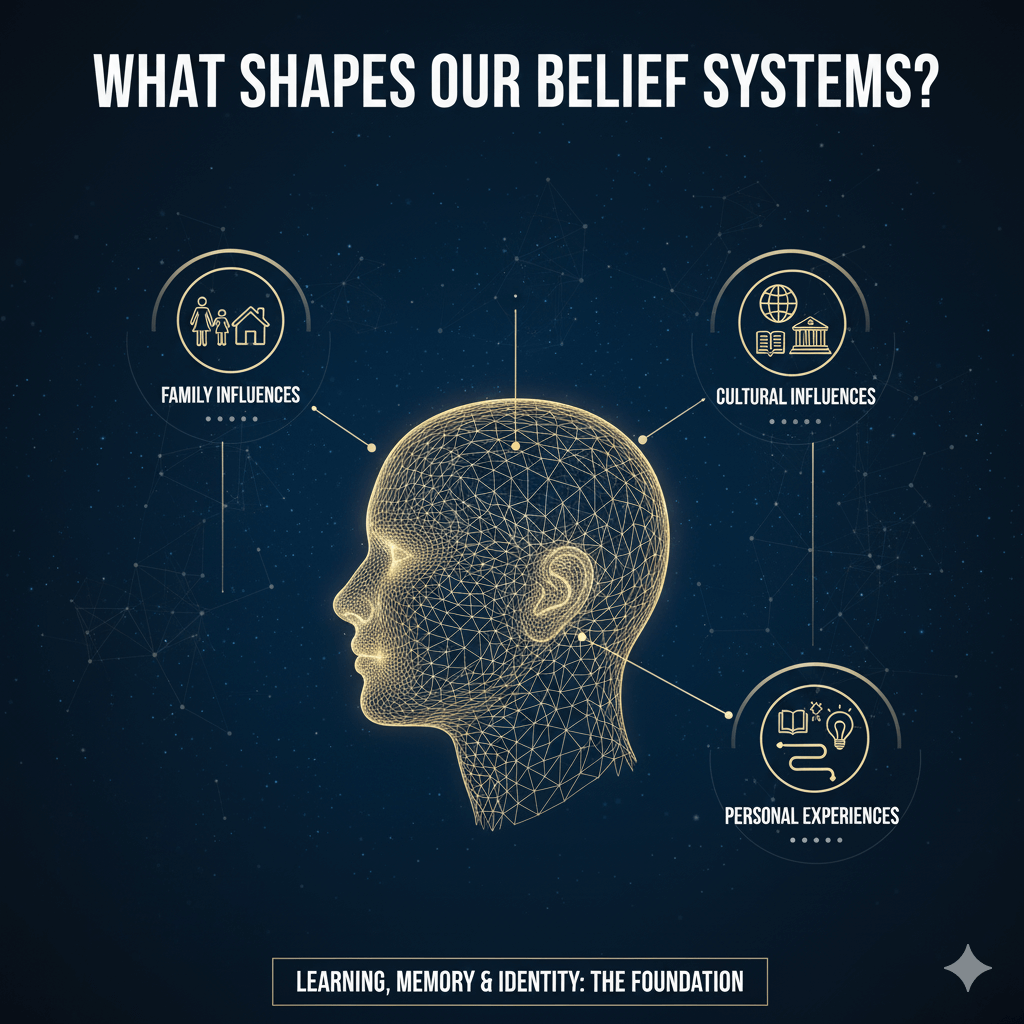
Influences from family:
Family plays a crucial role in shaping belief systems by passing down values, habits, and traditions. For example, children learn attitudes toward work, relationships, and morality by observing and adopting parents’ beliefs. Supportive families encourage positive beliefs, while critical environments may foster limiting or fearful beliefs.
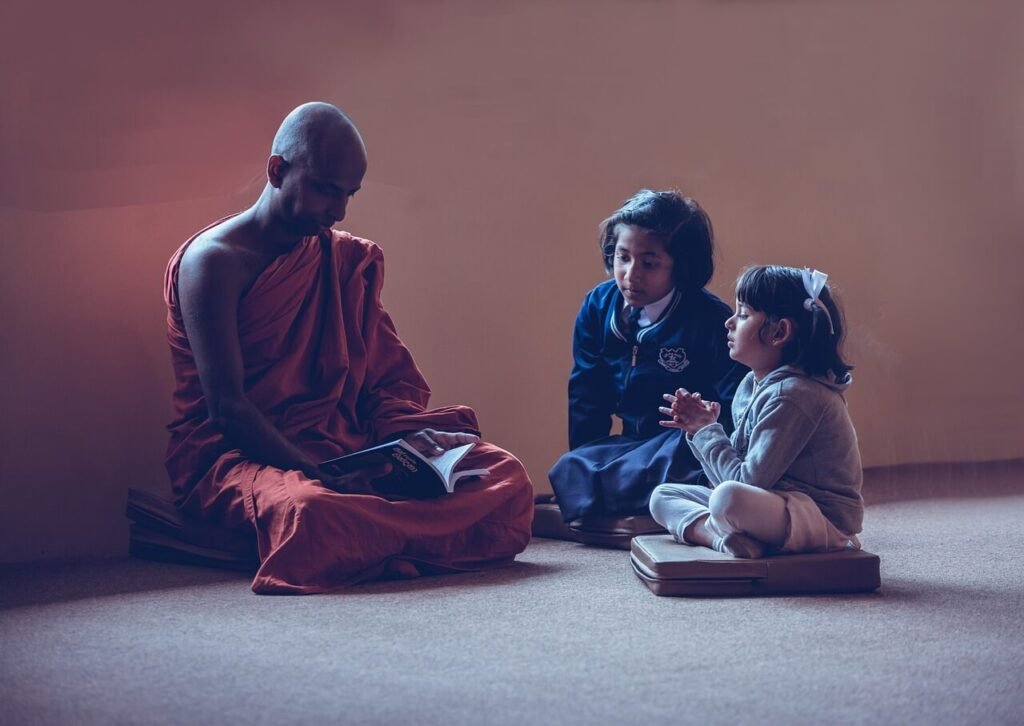
Influences from culture:
Culture shapes beliefs through shared customs, language, religion, and social norms. For instance, cultural emphasis on community versus individuality affects how people view success and roles. Cultural stories and rituals reinforce these beliefs, grounding individuals in their social identity and worldview.
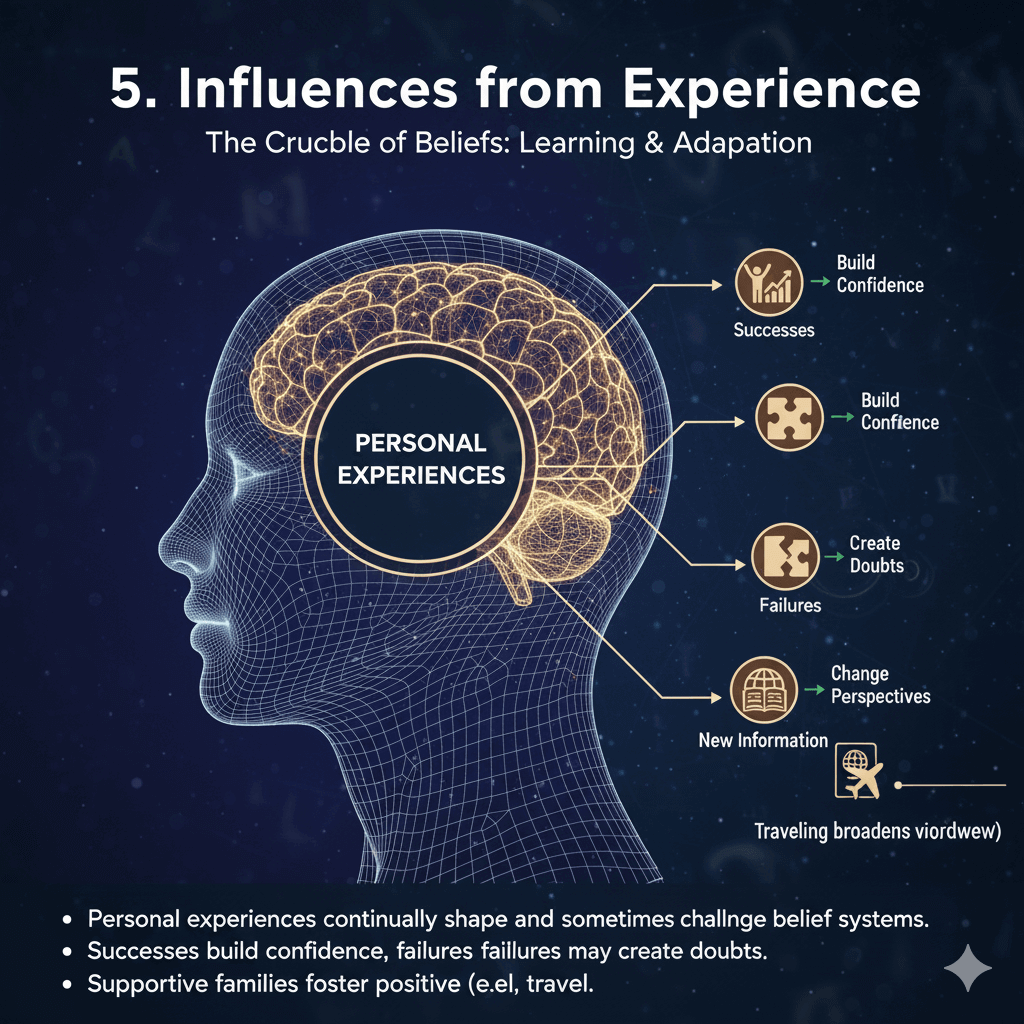
Influences from experience:
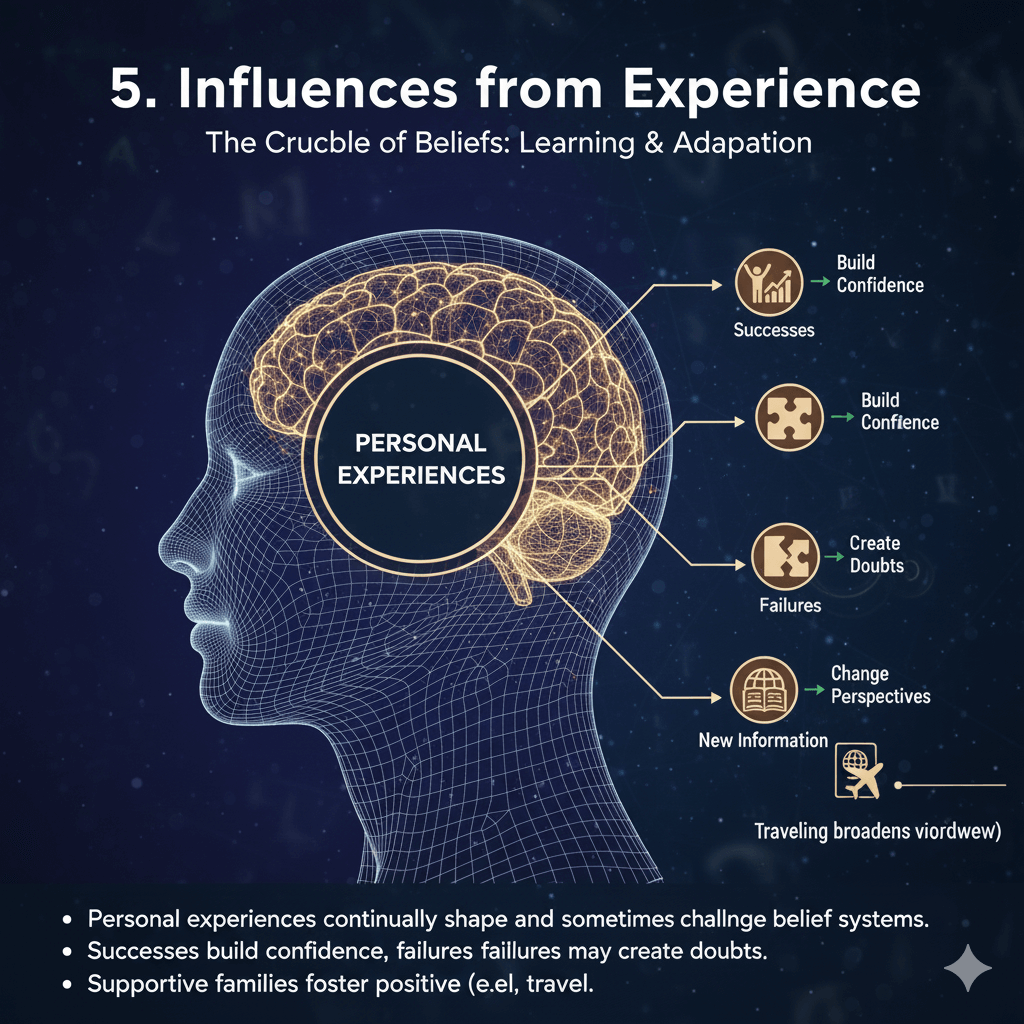
Personal experiences continually shape and sometimes challenge belief systems. Successes build confidence, failures may create doubts, and new information can change perspectives. For example, traveling to different countries often expands beliefs about other cultures and ideas, broadening one’s mental framework.
The Role of Beliefs in Shaping Our Thoughts and Actions

Beliefs shape our thoughts and actions by influencing how we perceive and interpret situations. They act as mental filters, guiding our reactions and decisions. For example, if someone believes they are capable, they are more likely to take on challenges confidently. Conversely, limiting beliefs can cause hesitation or avoidance, showing how beliefs directly impact behavior and mindset.
The Science of Neuroplasticity and Belief Change
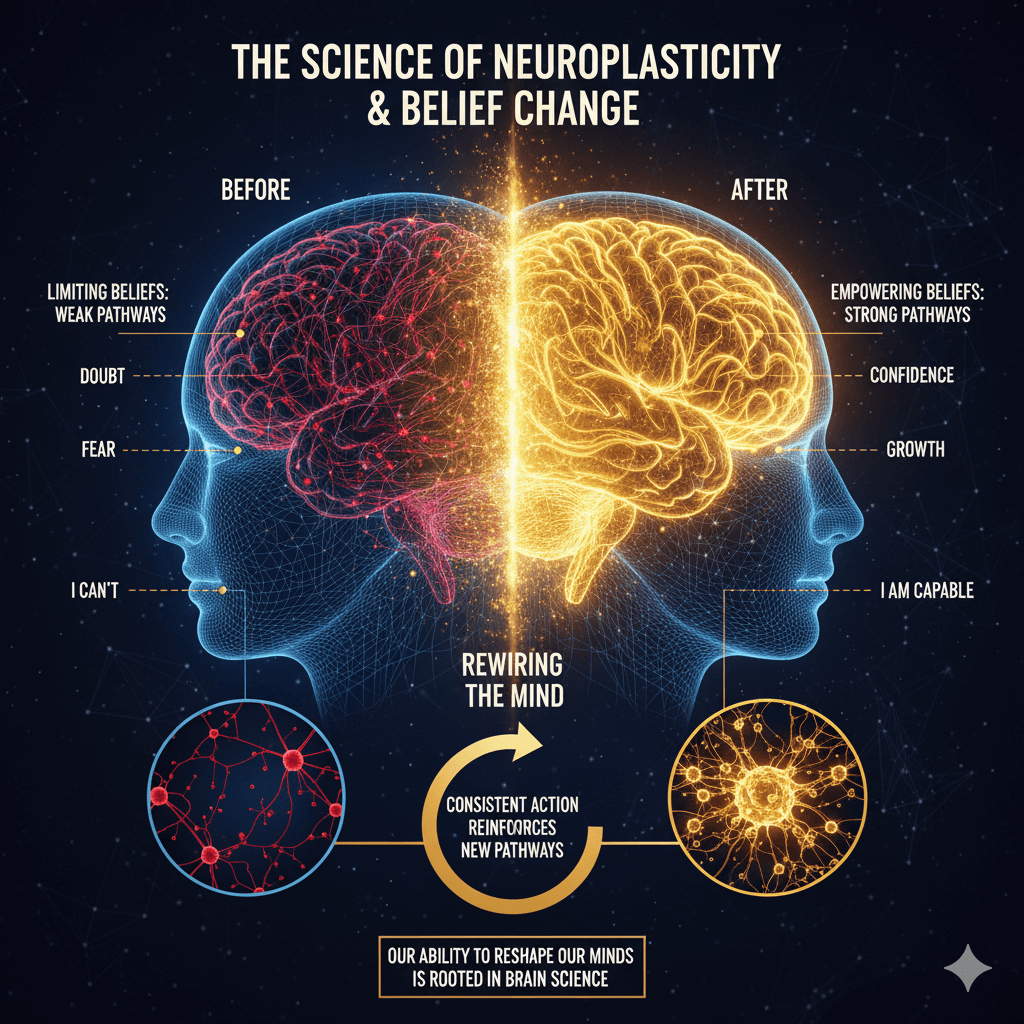
Image by John Hain from Pixabay
Neuroplasticity is the brain’s ability to change and rewire itself through learning and experience. When you consistently practice new thoughts or behaviors, such as positive affirmations, your brain forms new neural pathways, strengthening desired beliefs. This rewiring replaces old, unhelpful patterns gradually. Key points include:
- The brain adapts by creating and pruning connections based on repeated use.
- Changing beliefs requires patience and consistent practice.
- Emotional engagement enhances the formation of new pathways.
- Over time, new beliefs become automatic, shaping your mindset and actions.
Neuroplasticity shows that belief change is a skill anyone can develop with effort and time.
How Changing Belief Systems Can Transform Your Life
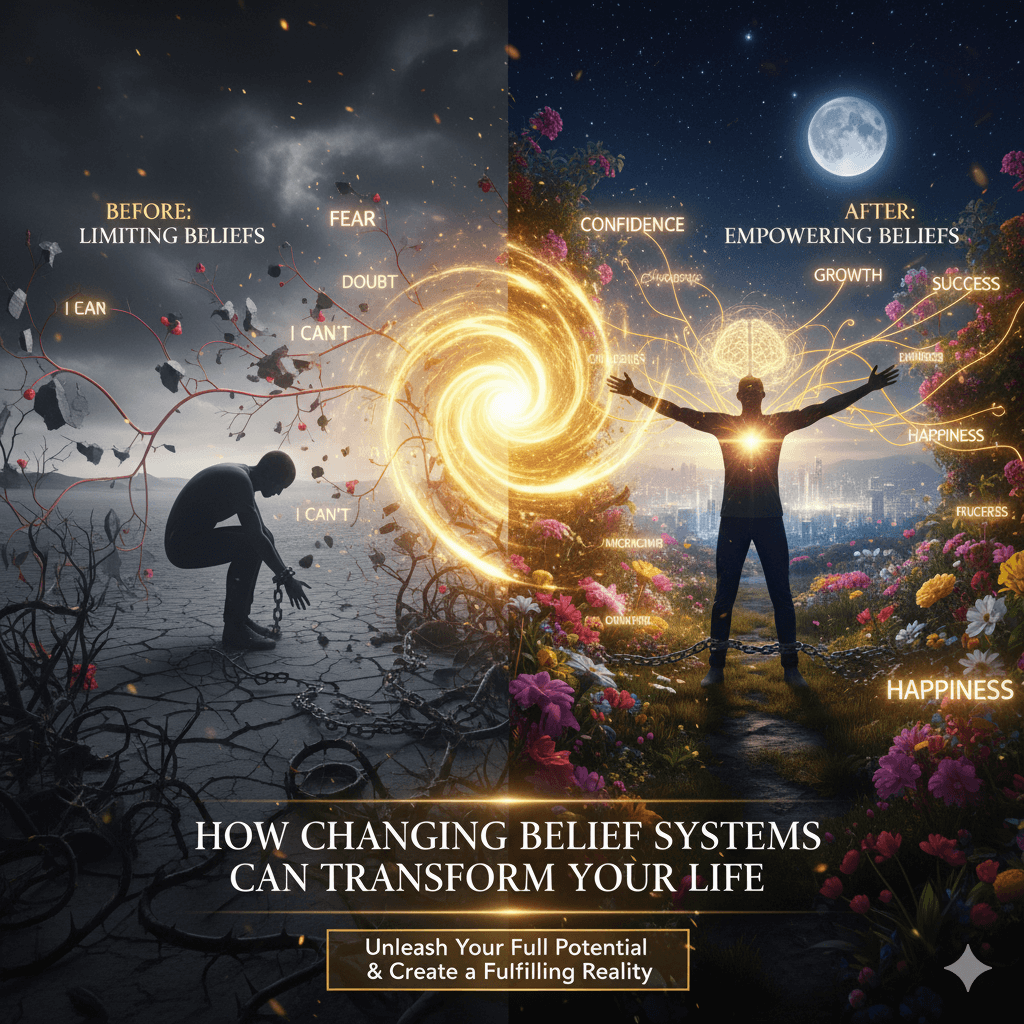
Changing belief systems can profoundly transform your life. When you replace limiting beliefs with empowering ones, your mindset shifts, leading to positive actions and improved outcomes. This change opens new possibilities, boosts confidence, and helps overcome fears. As beliefs influence choices and behaviors, transforming them can improve relationships, career success, and overall happiness. Though challenging, consistent effort and openness to new perspectives make lasting change possible, enabling personal growth and a more fulfilling life.