Unlock the psychological power behind vision boards! Simple visuals engage your brain’s Reticular Activating System (RAS), helping you focus, prioritize, and stay motivated toward your goals. This science-backed tool rewires your mindset, making success feel closer and more achievable. Discover how the synergy of visualization, emotion, and neuroscience can transform your dreams into reality and keep you inspired daily. Harness your brain’s natural abilities and turn your aspirations into actionable outcomes with the power of vision boards.
The Cognitive Psychology Behind Vision Boards
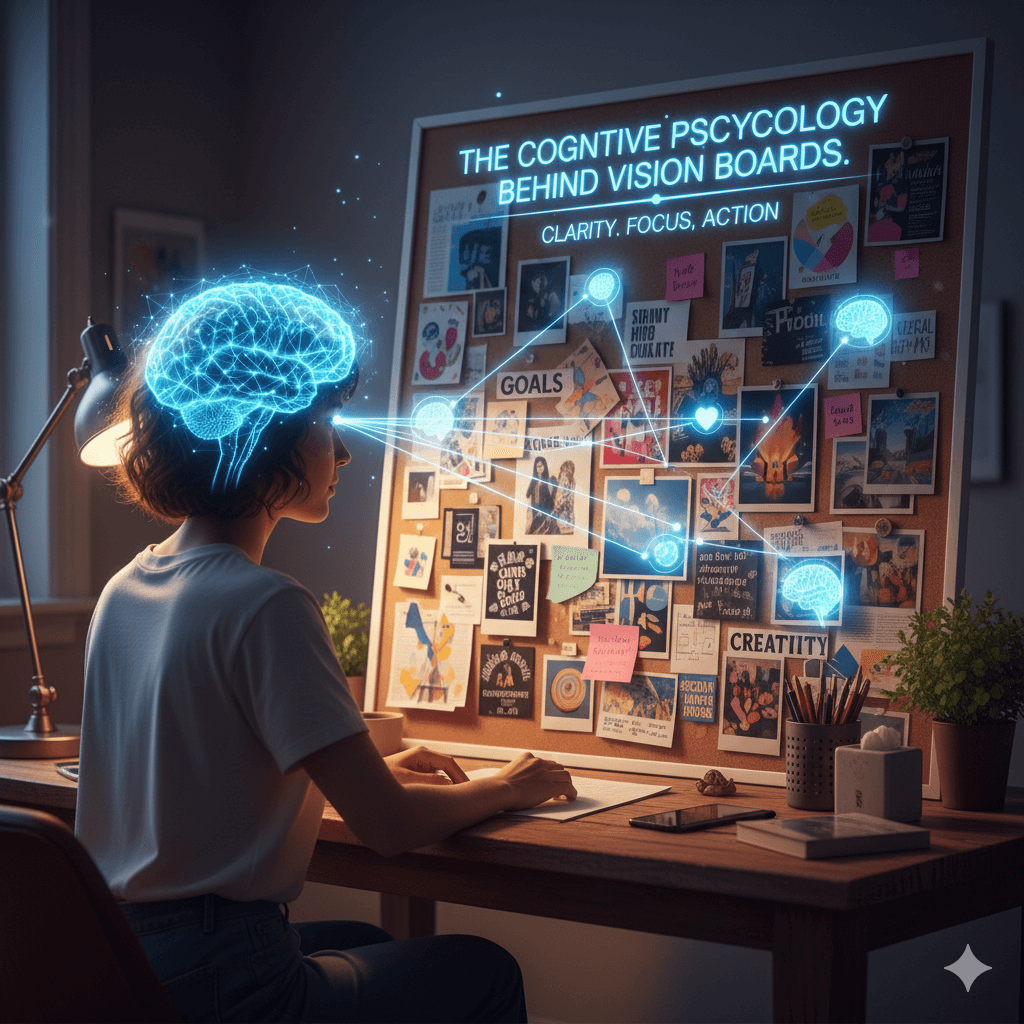
Vision boards work by engaging cognitive mechanisms that help your brain process and prioritize goals. Visual stimuli paired with emotional resonance activate memory and motivation centers, helping clarify intentions and focus attention. This concreteness turns abstract desires into actionable targets, allowing the brain to rehearse success mentally. By consistently viewing your vision board, you strengthen neural circuits related to goal pursuit, making motivation and focus habitual. Cognitive psychology shows that this visual-emotional linkage is a powerful driver to sustain effort and withstand distractions during your journey.
How Vision Boards Activate the Brain’s Motivation Systems
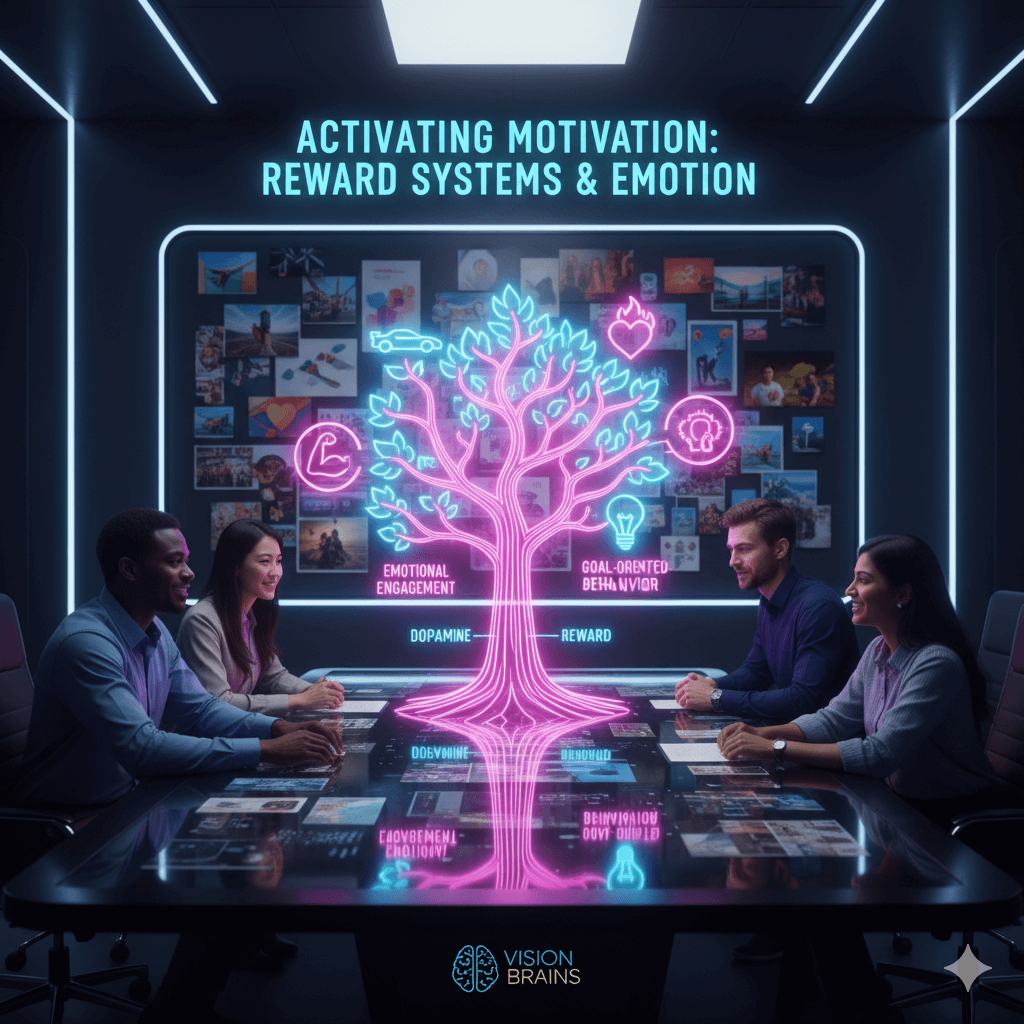
Vision boards trigger motivation by tapping into the brain’s reward networks. When you visualize goals that evoke positive emotions, dopamine—the “feel good” neurotransmitter—is released, reinforcing your commitment.
- Visualizing success sparks excitement and desire.
- Emotional engagement strengthens motivation pathways.
- Dopamine enhances learning and goal-oriented behavior.
- Repeated exposure helps form lasting motivational circuits.
- Positive anticipation fuels resilience to setbacks.
This neurological reward process explains why vision boards energize consistent pursuit. Connecting images and feelings creates a vivid mental reward system, making your aspirations emotionally compelling and neurologically reinforced.
Emotional Engagement: The Neuropsychology of Vision Boarding

Emotional engagement is central to the power of vision boards. Neuroscience shows that when you interact with emotionally charged images on your board, the amygdala, which processes emotion and memory, is activated. This works with the hippocampus to embed goals into long-term memory, enhancing motivation and action. Positive emotions trigger dopamine and oxytocin release, increasing feelings of reward, focus, and persistence. The more personal and vivid your vision board, the stronger this neurological effect, helping to rewire your mindset and encourage lasting behavioral change.
Key Points:
- Helps rewire mindset for lasting change.
- Activates amygdala and hippocampus for memory.
- Embeds goals deeper in long-term memory.
- Triggers dopamine and oxytocin for reward.
- Enhances focus, creativity, and persistence.
- Stronger effects from personal, emotionally rich boards.
Goal Setting and Visualization: Psychological Foundations

Here are practical steps for goal setting and visualization related to vision boards, presented as bullet points with explanations based on psychological foundations:
- Find Your Quiet Space: Allocate time for calm reflection to clarify your true desires without distraction.
- Define Clear, Specific Goals: Break down vague ideas into concrete objectives (e.g., “exercise 3 times a week” rather than “get healthier”).
- Use Mixed Media: Combine images, words, symbols, and affirmations on your board to appeal to multiple senses and reinforce goals vividly.
- Visualize Success in Detail: Regularly mentally rehearse accomplishing your goals, engaging all senses to create a vivid, motivating experience.
- Repetition for Subconscious Learning: Engage daily with your vision board and affirmations to embed goals deeply in your subconscious mind.
- Actionable Planning: Create small, manageable steps and schedule them alongside your vision board to convert vision into real progress.
- Balance Boldness with Realism: Set goals that stretch you but remain achievable to maintain motivation and prevent discouragement.
- Highlight “Why” Behind Goals: Add notes or reflections on why each goal matters to reinforce emotional commitment during low motivation phases.
This structured approach leverages psychological principles of clarity, repetition, sensory engagement, and intrinsic motivation to maximize vision board effectiveness.
The Role of the Subconscious Mind in Vision Board Success
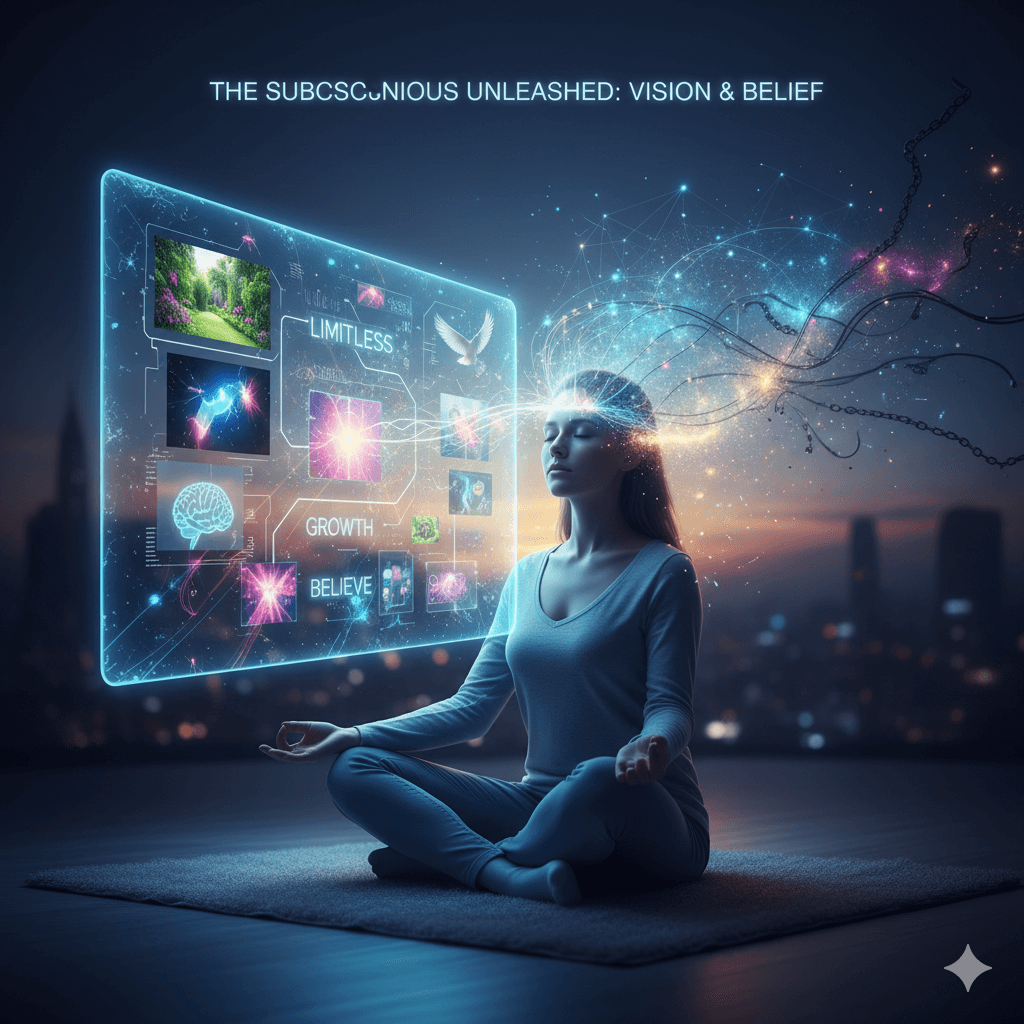
Vision boards influence your subconscious, which governs much of your behavior and belief patterns. By regularly exposing your subconscious mind to goal-related images and affirmations, you gradually reprogram limiting beliefs and enhance supportive mental scripts. This subconscious integration helps internalize goals as achievable realities rather than remote wishes. The subconscious responds best to repetition combined with emotional charge, exactly what vision boards provide. By cementing new neural associations and dismantling old negative patterns, vision boards help shift default behaviors, supporting conscious goal-directed actions.
How Vision Boards Improve Focus and Reduce Cognitive Overload

In today’s information-heavy world, maintaining focus is challenging. Vision boards simplify goal-related information by presenting clear, concise visual cues that reduce cognitive overload. This simplicity directs attention to what truly matters, preventing decision fatigue and distraction.
- Provide immediate reference points for priorities.
- Reduce mental clutter by externalizing goals visually.
- Aid in chunking complex aspirations into digestible pieces.
- Help reinforce mental models through frequent exposure.
- Encourage habitual focus on goal-related tasks.
- Stimulate cognitive pathways that support sustained attention.
Research in cognitive load theory shows externalizing goals via vision boards frees working memory, improving decision-making quality and sustained effort. This cognitive offloading combined with emotional activation makes vision boards potent tools to maintain laser-like focus and optimize achievement in complex environments.
Self-Expression and Identity Reinforcement through Vision Boards

Vision boards are acts of self-expression, reflecting your values, beliefs, and identity. Through curating personal images and affirmations, they solidify your sense of self and life purpose. This reinforcement helps align actions with authentic goals. Identity-consistent vision boards strengthen intrinsic motivation and reduce internal conflicts, making personal growth more sustainable and fulfilled.
Overcoming Mental Blocks: Vision Boards and Psychological Resilience

Visual reminders on vision boards play a vital role in combating negative self-talk and mental blocks. When you consistently engage with positive images and affirmations, you build emotional confidence and a constructive mindset. This practice strengthens your ability to cope with challenges and reduces the impact of limiting beliefs. Repeated exposure to empowering visuals rewires your brain, fostering adaptive resilience. By shifting focus from fear to growth, vision boards encourage persistence and mental toughness, making obstacles easier to navigate and overcome.
Key points:
- Visual reminders combat negative self-talk.
- Emotional connection builds confidence.
- Positive visualization strengthens coping skills.
- Repeated exposure reprograms limiting beliefs.
- Enhances adaptive resilience in face of challenges.
- Supports mindset shifts from fear to growth.
- Encourages persistence despite obstacles.
- Builds mental toughness through constructive focus.
Practical Psychological Tips for Creating Effective Vision Boards
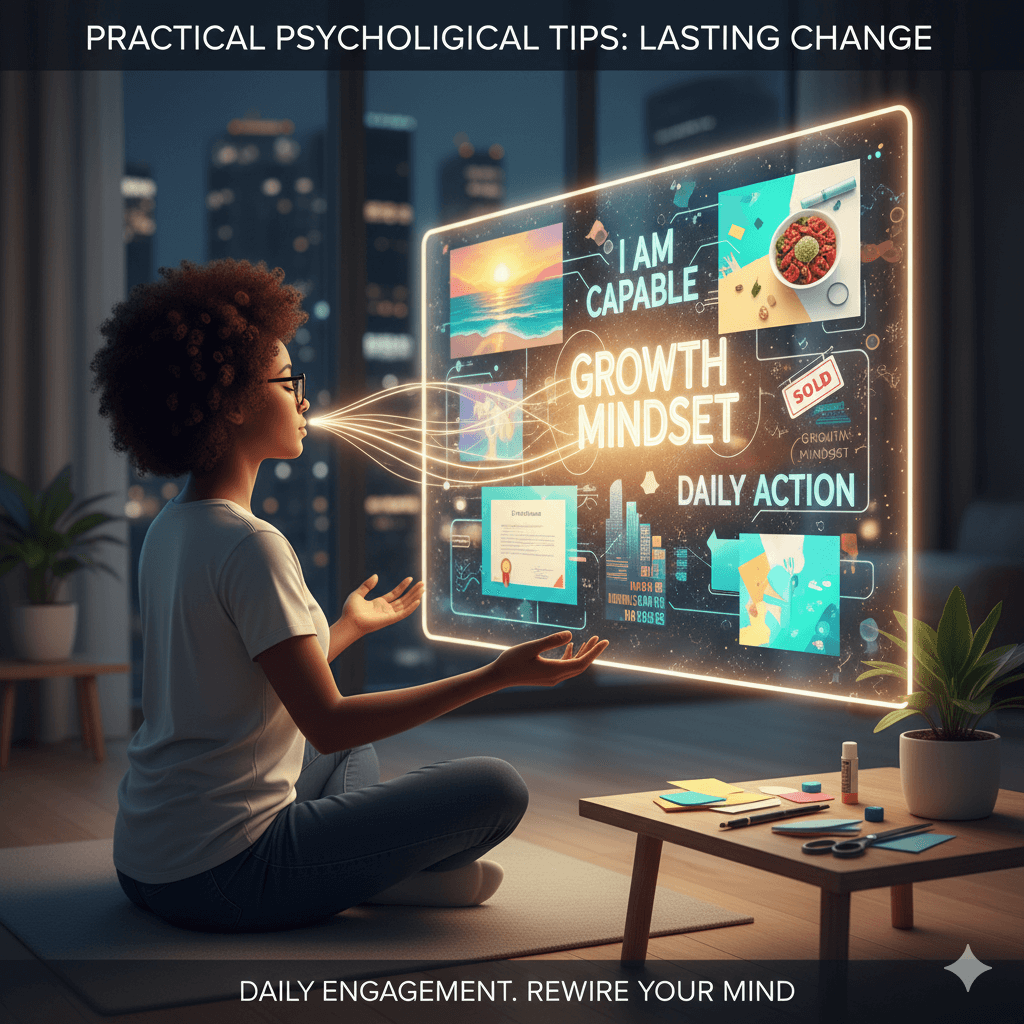
Creating an effective vision board requires psychological insights to maximize impact. Begin with clear, emotionally resonant goals to engage motivation deeply. Use vivid images and affirmations personalized to your desires. Place boards in visible locations to increase exposure and cognitive reinforcement. Regular interaction strengthens commitment and rewiring of thought patterns.
- Choose meaningful, positive visuals.
- Incorporate affirmations aligned with goals.
- Update periodically to reflect growth.
- Engage with boards daily with mindfulness.
This method ensures your vision board remains a powerful, evolving tool for lasting psychological and behavioral change.