Understanding the Subconscious Mind
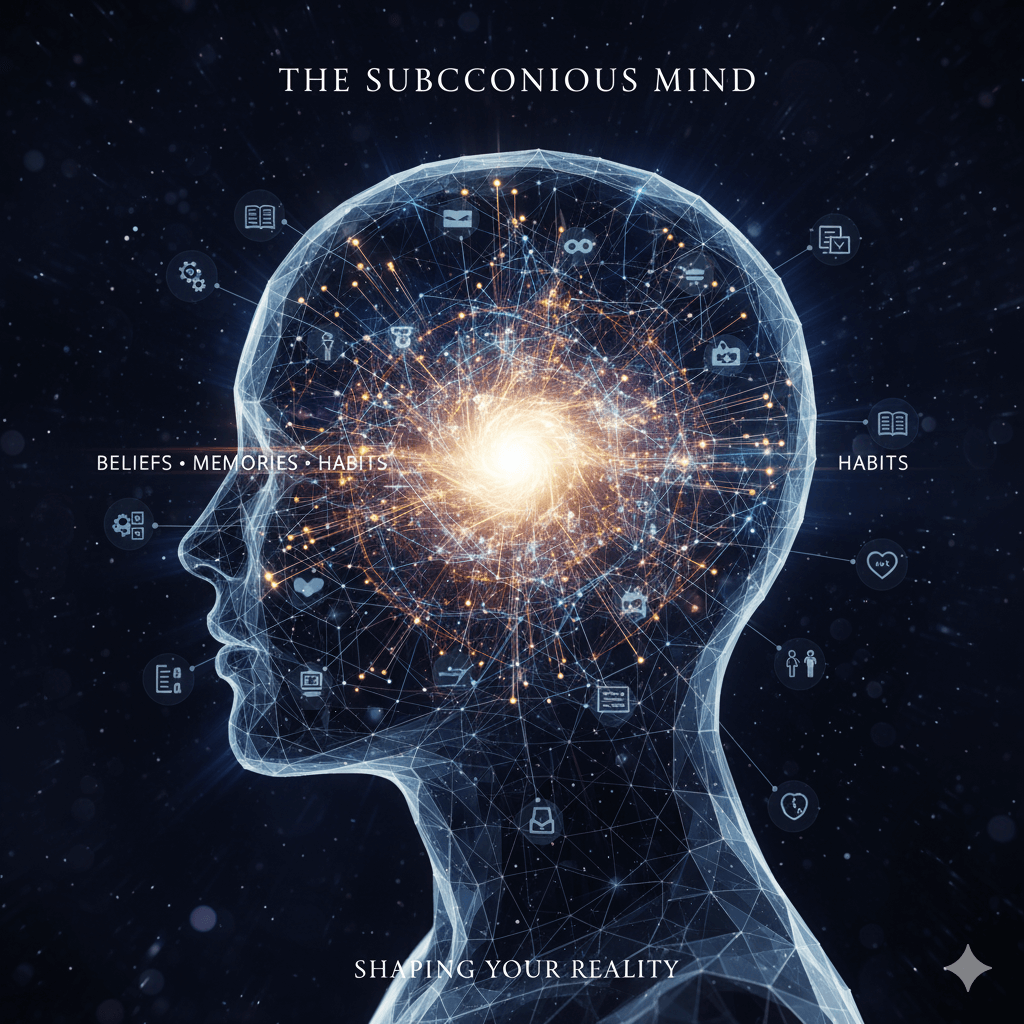
The subconscious mind is a powerful part of your brain that stores beliefs, memories, and habits. It influences your thoughts, emotions, and behaviors without conscious awareness. By shaping automatic responses and perceptions, the subconscious plays a vital role in how you experience and interact with the world, ultimately shaping your reality.
How Beliefs Form in the Subconscious
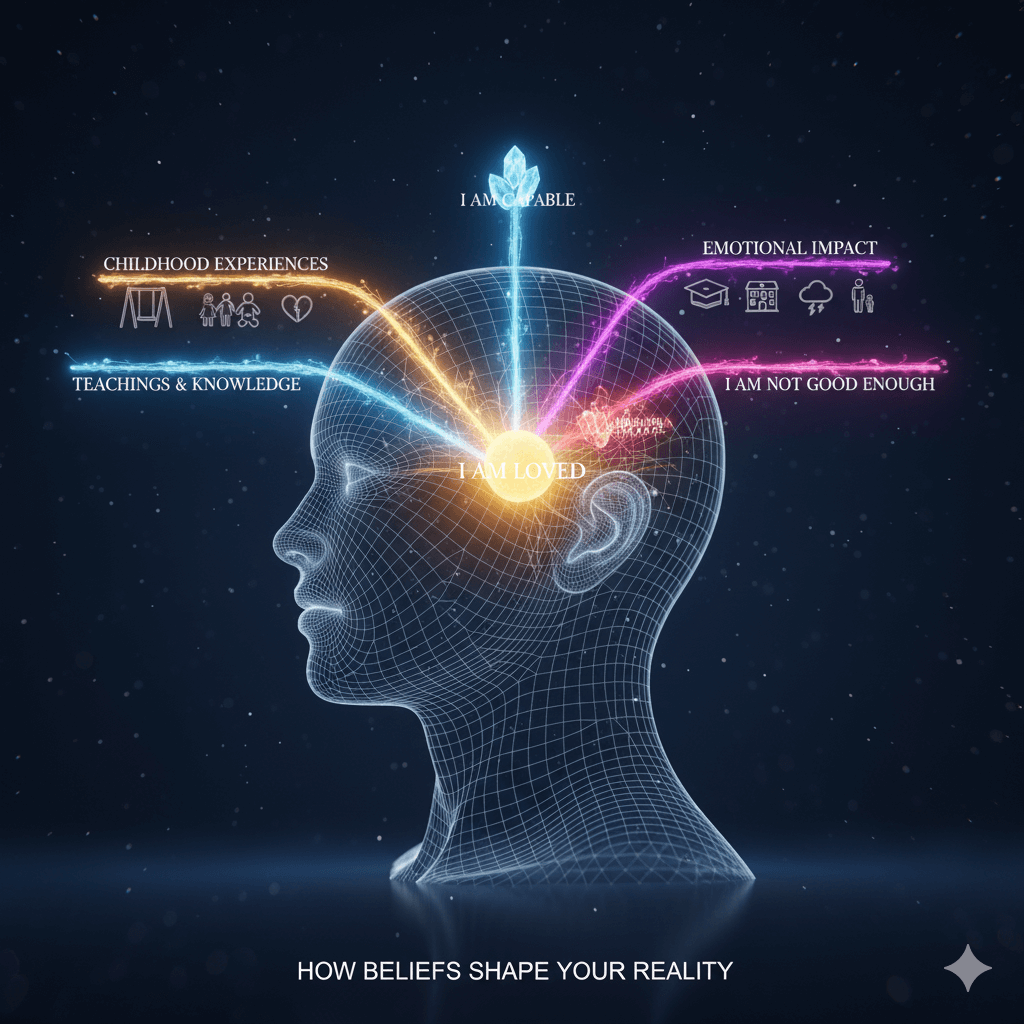
Beliefs form in the subconscious through repeated experiences, teachings, and emotions, often starting in childhood. These beliefs act as mental filters, shaping how you perceive the world and interpret events. Once ingrained, they influence your automatic reactions and decisions without conscious thought. For example, if your subconscious holds a belief like “I am not capable,” you may avoid challenges or doubt your abilities. Understanding and reshaping these subconscious beliefs allows you to change your perception and make more empowering decisions.
The Connection Between Subconscious Mind and Emotions
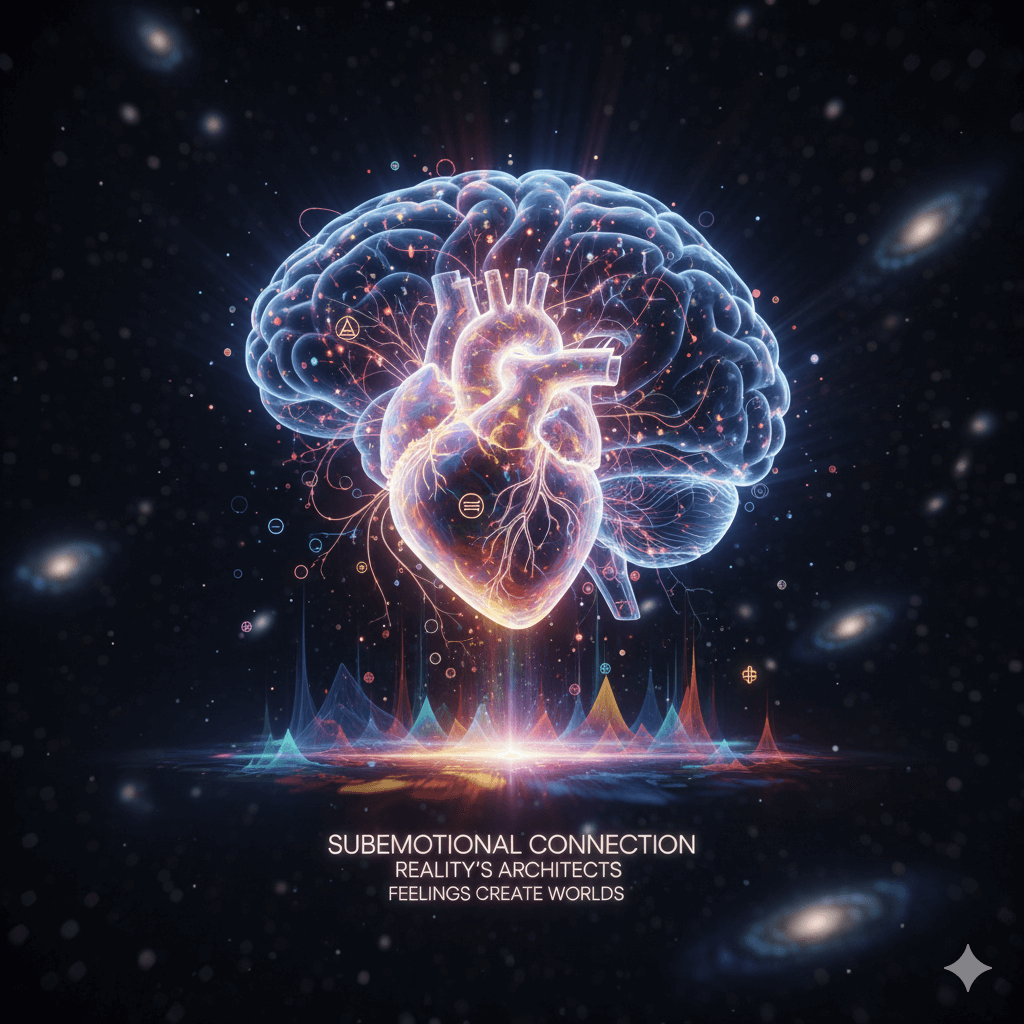
The subconscious mind and emotions are tightly interconnected, playing a pivotal role in shaping your reality. Emotions are often a direct reflection of subconscious beliefs, previous experiences, and ingrained patterns. Understanding this connection can help you harness your feelings to consciously influence the reality you create.
How Emotions and Subconscious Mind Influence Reality:
- Emotions as Subconscious Signals: Emotions arise from subconscious interpretations of events, signaling whether beliefs are supportive or limiting. For example, anxiety may indicate a subconscious fear.
- Emotional Energy Shapes Perception: Your feelings color how you experience and interpret situations, influencing your reality. Positive emotions enhance optimism and open opportunities, while negative emotions can reinforce limiting patterns.
- Subconscious Reactions Drive Behavior: Emotional responses often trigger automatic behaviors guided by subconscious programming, affecting decisions and interactions.
- Feedback Loop: Your subconscious beliefs evoke emotions, which influence thoughts and actions, leading to experiences that reinforce initial beliefs—a cycle of reality creation.
- Shifting Emotions for Change: Becoming aware of negative emotions and consciously shifting them through techniques like meditation, affirmations, or visualization can reprogram your subconscious. This shift alters perception and attracts more positive experiences.
By learning to recognize and manage the connection between your subconscious mind and emotions, you gain powerful tools to shape your reality more consciously and positively. This awareness opens pathways for emotional healing and personal transformation.
Habits and Automatic Responses:

Habits and automatic responses are powerful drivers of daily behavior, shaped and stored in the subconscious mind. These patterns develop through repetitive actions and experiences, allowing the brain to conserve conscious energy by performing routine tasks automatically. Once formed, habits guide much of your day-to-day life, influencing your choices, reactions, and overall lifestyle.
How Habits and Automatic Responses Influence Your Life:
- Efficiency and Survival: Habits help the brain operate efficiently by automating repetitive tasks, freeing conscious mental energy for complex decisions.
- Emotional Triggers: Many habits are responses to emotional cues, like stress or boredom, which the subconscious links to specific behaviors.
- Reinforcement Through Repetition: The more a habit is repeated, the stronger the neural pathways become, making the behavior increasingly automatic.
- Positive and Negative Impact: Habits can either support your goals, like regular exercise, or create challenges, such as procrastination or unhealthy eating.
- Difficulty in Change: Because habits reside in the subconscious, consciously changing them requires intentional effort, patience, and consistent practice.
Strategies to Reshape Habits:
- Increase awareness of your habits through mindfulness.
- Replace negative habits with positive alternatives.
- Use triggers and rewards to reinforce new behaviors.
- Practice consistently until the new habit becomes automatic.
Understanding subconscious habits empowers you to create lasting positive change and live more intentionally.
The Power of Visualization

The power of visualization involves creating vivid mental images of your goals and desired outcomes. When you visualize, your brain processes these images as real experiences, activating subconscious pathways. This reinforces positive beliefs and motivates actions aligned with your goals. Consistent visualization enhances confidence, reduces anxiety, and accelerates success by rewiring your subconscious mind to support your aspirations.
Limiting Beliefs and Their Effects

Limiting beliefs are negative subconscious thoughts that restrict your potential and hold you back from achieving your goals. These beliefs often develop from past experiences, fears, or societal influences and operate automatically without your awareness. Recognizing and overcoming these blocks is essential for personal growth and success.
- Identify limiting beliefs: Notice recurring negative thoughts like “I’m not good enough.”
- Question their validity: Ask if these beliefs are based on facts or assumptions.
- Replace with empowering beliefs: Use positive affirmations to reprogram your subconscious.
- Take supportive action: Build confidence through small, consistent steps.
- Seek guidance: Therapy or coaching can help uncover deep-rooted blocks.
Overcoming limiting beliefs frees your potential and opens the path to a fulfilling life.
Affirmations and Self-Talk

Affirmations and self-talk are powerful tools to rewire the subconscious mind for positive change. They involve consciously repeating positive statements that challenge and replace negative beliefs stored deep within. Over time, these affirmations reshape thought patterns and influence emotions, leading to improved confidence, motivation, and behavior.
- Create positive, present-tense affirmations: Examples include “I am worthy” or “I succeed effortlessly.”
- Repeat regularly: Consistency strengthens new subconscious programming.
- Say with belief and emotion: Feeling the affirmation increases its effectiveness.
- Monitor self-talk: Replace negative inner dialogue with encouraging words.
- Combine with visualization: Enhances subconscious acceptance of affirmations.
By practicing affirmations and positive self-talk daily, you can transform limiting beliefs into empowering ones, fostering lasting personal growth.
The Role of Mindfulness in Subconscious Awareness

- Mindfulness increases present-moment awareness, helping you recognize subconscious thoughts and emotions as they arise.
- It creates a non-judgmental space to observe automatic reactions, reducing unconscious behavioral patterns.
- Mindful practice strengthens the connection between conscious and subconscious minds, enhancing self-control.
- By observing without reacting, mindfulness allows you to interrupt negative thought cycles rooted in the subconscious.
- Regular mindfulness meditation helps rewire neural pathways, promoting healthier subconscious habits.
- Awareness gained through mindfulness leads to intentional decision-making rather than automatic responses.
- It fosters emotional regulation, reducing stress-driven subconscious reactions.
- Mindfulness supports personal growth by making subconscious influences visible and manageable.
Practical Steps to Align Your Subconscious with Your Desires

Daily Habits for Transformation
Aligning your subconscious with your desires requires consistent effort and intentional habits. These daily practices help reprogram old patterns, reinforce positive beliefs, and manifest your goals into reality. Here are effective steps:
- Start with Clear Intentions: Spend a few minutes each morning visualizing what you want to achieve. Be specific, detail your desired outcome vividly, and engage all your senses.
- Practice Daily Affirmations: Repeat positive affirmations that reinforce your goals and beliefs. Say them with conviction and emotion to deepen their impact on your subconscious.
- Write a Vision Journal: Regularly write down your goals, dreams, and feelings. Focus on the feelings of already having achieved them. This helps your subconscious accept your desired reality.
- Meditate and Relax: Dedicate time for mindfulness meditation. Focus on your breathing, and clear your mind to create space for subconscious messages to surface and be reprogrammed.
- Catch Negative Self-Talk: Become aware of any limiting thoughts. Replace them immediately with empowering affirmations.
- Use Visualization Throughout the Day: Whenever possible, briefly visualize success or positive outcomes. This keeps your subconscious aligned with your goals.
- Practice Gratitude: Regularly express gratitude for what you already have. Gratitude shifts your mindset and opens your subconscious to abundance.
- Consistent Action: Take small, aligned actions daily. Your subconscious learns from your actions, reinforcing your beliefs over time.
Incorporating these habits into your daily routine will gradually rewire your subconscious, helping you manifest your desires and transform your life over time.