What Is Gratitude
Gratitude is a positive emotional state that involves recognizing and appreciating the good things in life, including acts of kindness or benefits received. It is both a feeling of thankfulness and a general attitude of appreciation for what is valuable and meaningful to oneself. Practicing gratitude has been linked to enhanced well-being, improved mood, and healthier social connections, making it a powerful tool for mental and emotional health.
Why gratitude matters for mental and emotional well-being
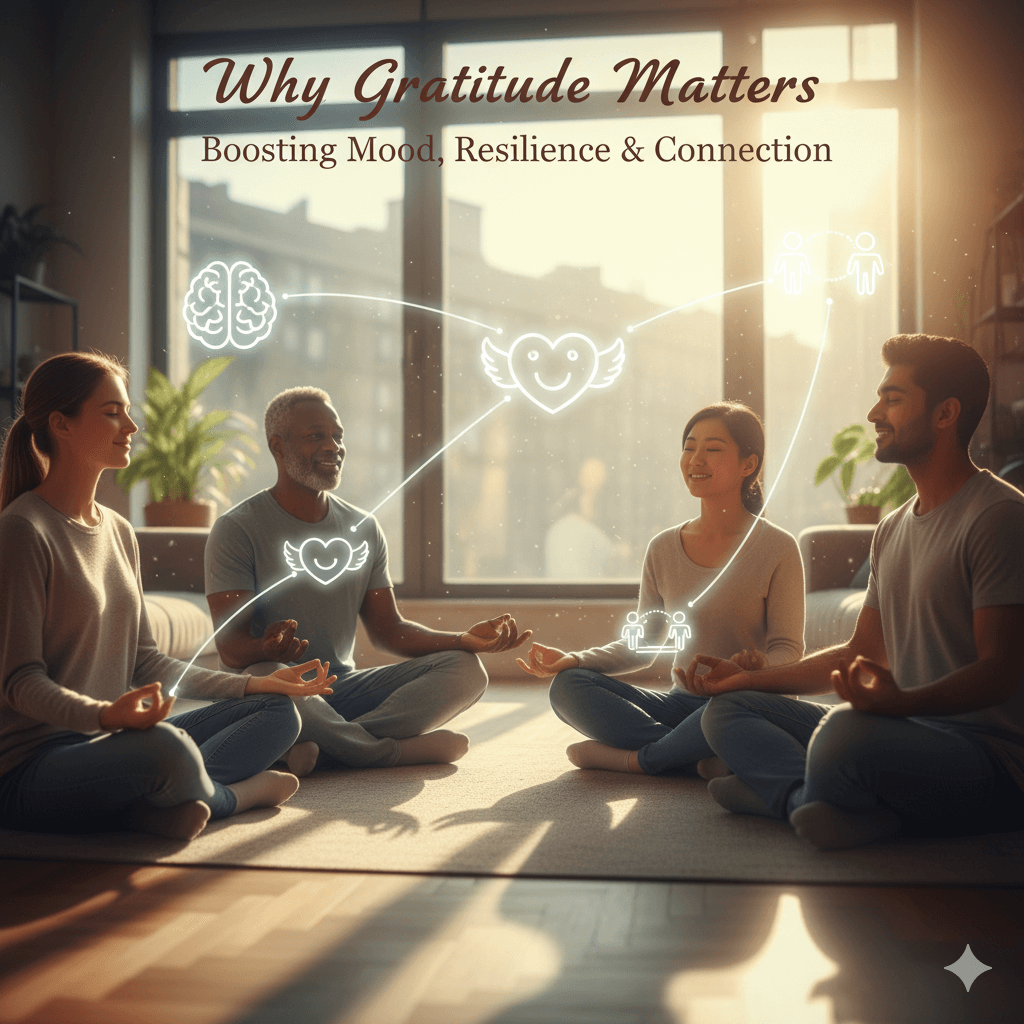
Gratitude improves mental and emotional well-being by shifting focus from negativity to appreciation, which reduces anxiety and depression. It boosts happiness, resilience, and social connections while promoting mindfulness and emotional balance. Regular gratitude practice helps create a positive outlook, supporting a calmer and healthier mind.
Psychological benefits: improved mood, reduced anxiety and depression
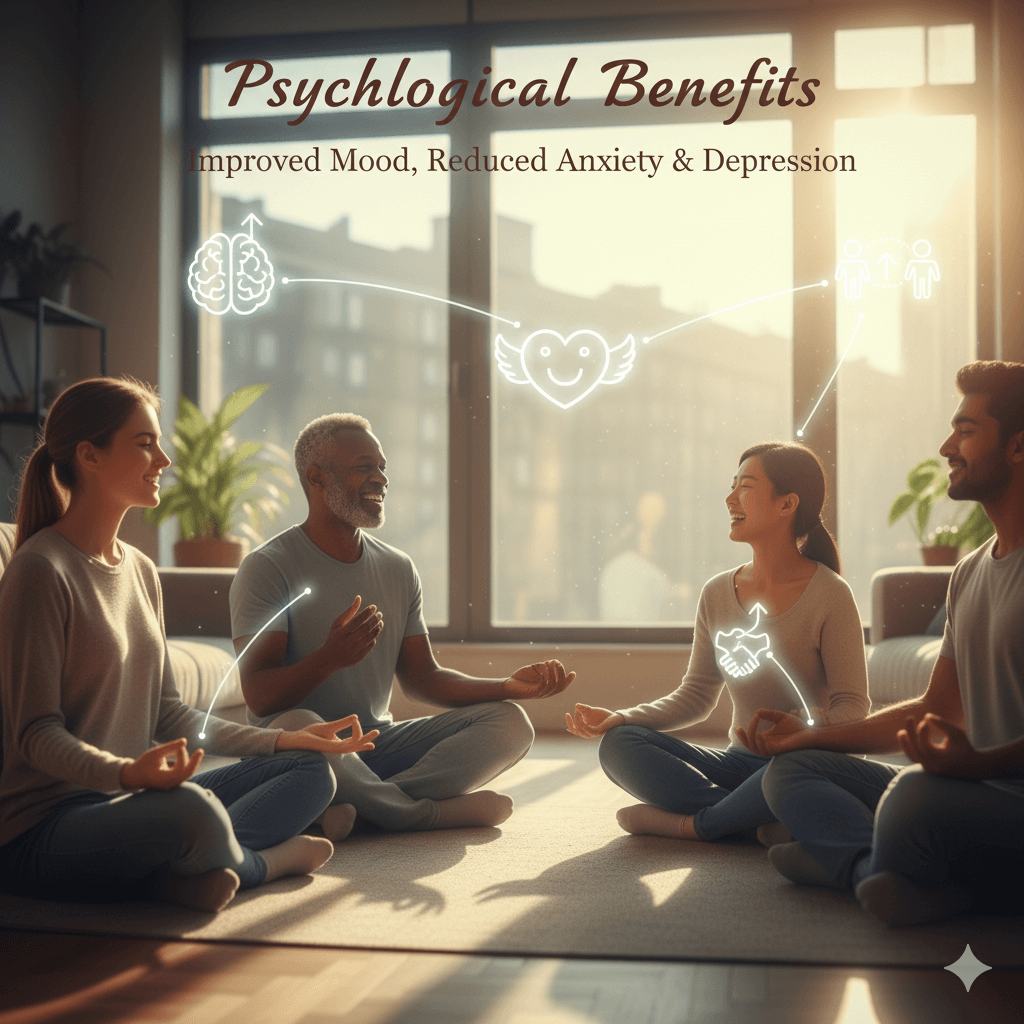
Gratitude improves mood by increasing positive emotions like happiness and contentment. It reduces anxiety and depression by lowering stress and shifting focus away from negative thoughts. Practicing gratitude also boosts self-esteem, enhances resilience to challenges, and promotes calmer, more positive mental health overall.
Physical health benefits: better sleep, reduced inflammation, stronger immunity

Gratitude benefits physical health by improving sleep quality, reducing inflammation, and strengthening the immune system. Grateful people report fewer aches and pains, lower blood pressure, and better heart health. Practicing gratitude also encourages healthier lifestyle choices, which further supports overall physical well-being and longevity
Social benefits: enhanced relationships, increased empathy and kindness

Gratitude strengthens relationships by showing appreciation and kindness, which deepens connections and trust. It encourages empathy, making people more understanding and supportive. Expressing gratitude fosters positive interactions, promotes cooperation, and helps resolve conflicts, resulting in healthier, more satisfying personal and social bonds. Gratitude creates a cycle of giving and receiving kindness.
Long-term impact on happiness and life satisfaction
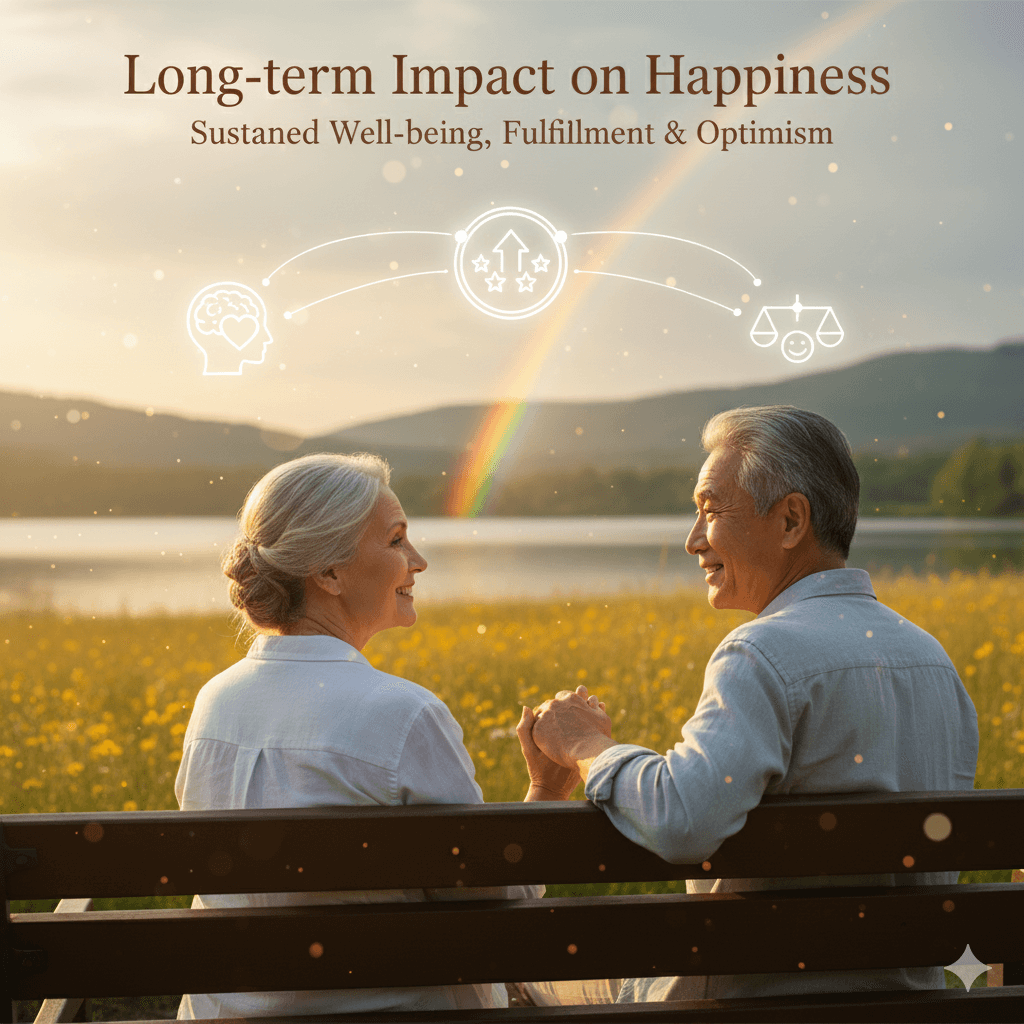
The long-term practice of gratitude significantly boosts overall happiness and life satisfaction. It helps people focus on positive aspects of their lives, fostering contentment and reducing the tendency to compare themselves negatively with others. With consistent gratitude, individuals experience deeper fulfillment, greater emotional stability, and improved resilience to life’s challenges, promoting sustained well-being and optimism
How Gratitude Affects the Brain
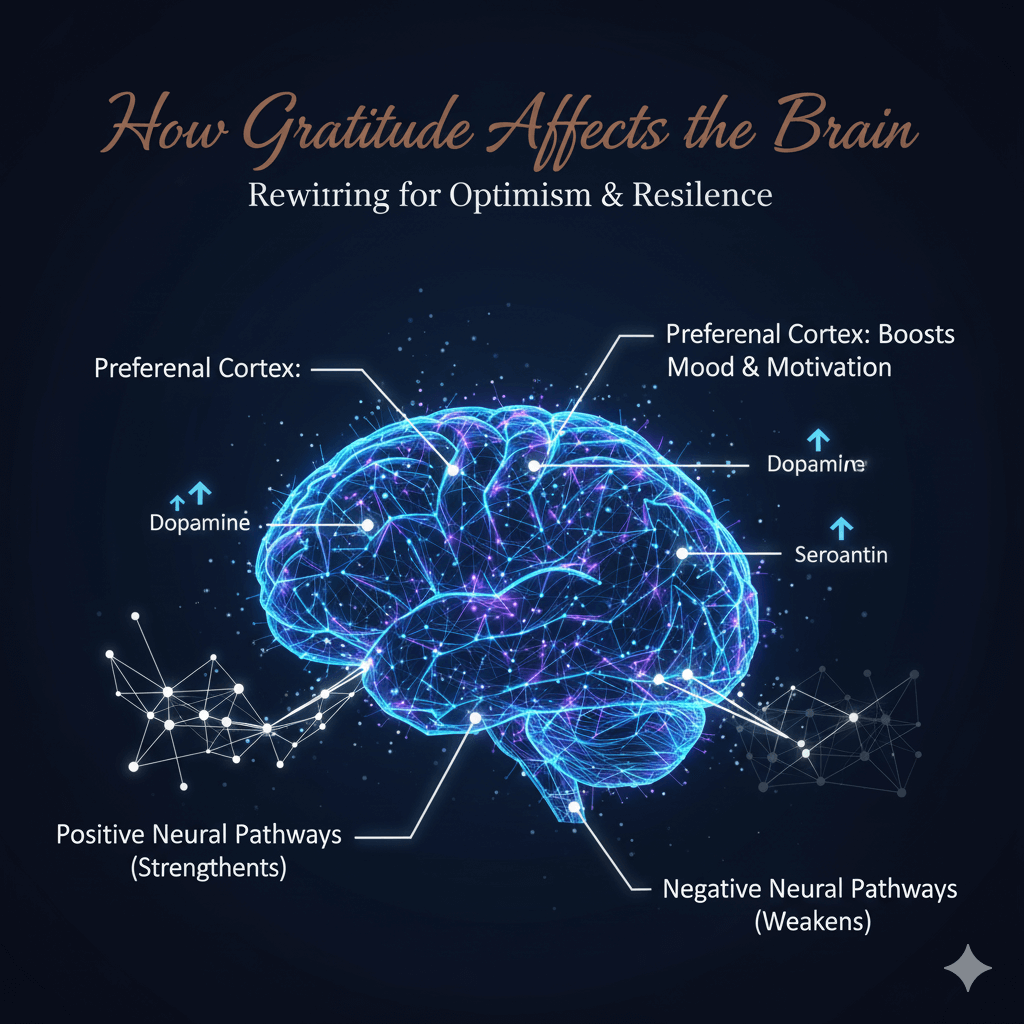
Gratitude rewires the brain through neuroplasticity by strengthening positive neural pathways and weakening negative ones. It activates areas like the prefrontal cortex, boosting dopamine and serotonin, the “feel-good” chemicals that enhance mood and motivation. This brain change supports a more optimistic, emotionally resilient mindset, making positive thinking easier over time.
Here are practical ways to cultivate gratitude, each explained briefly:
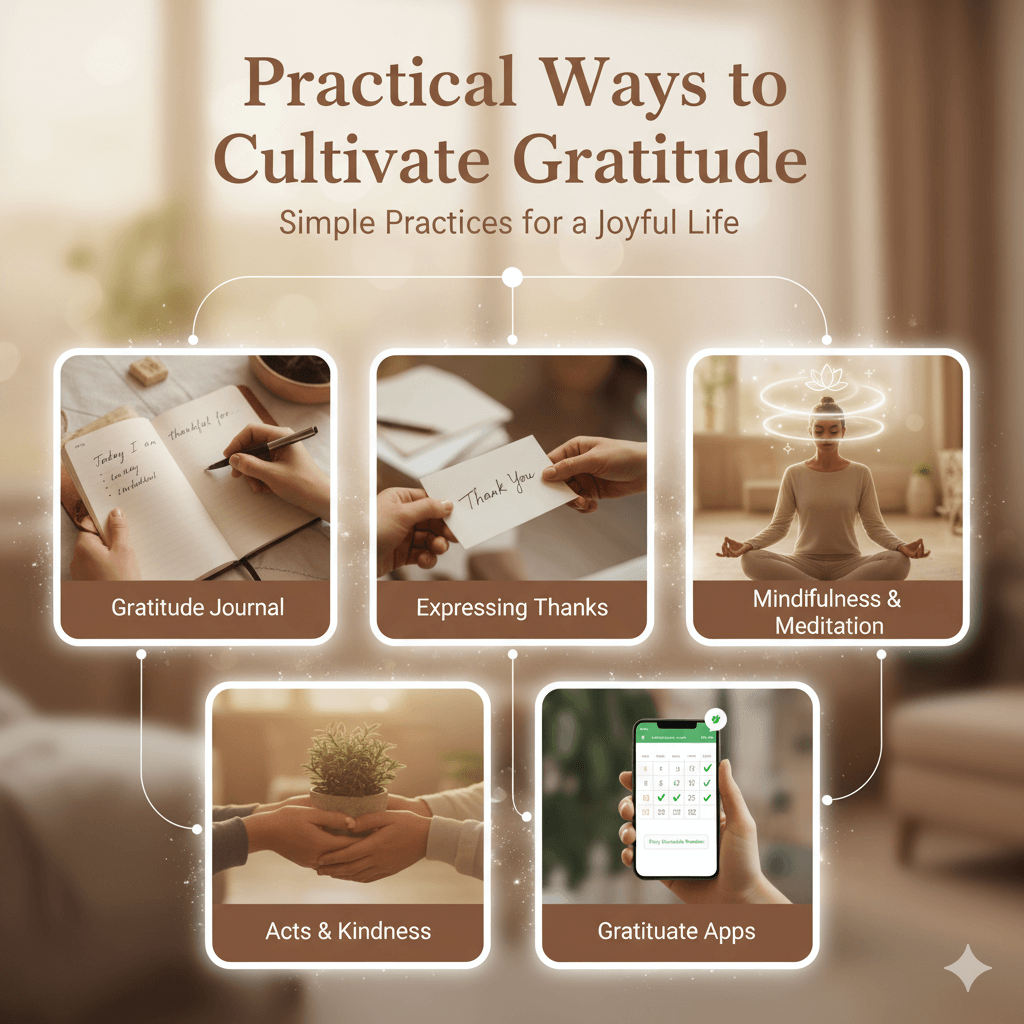
- Gratitude Journal: Writing daily or weekly entries helps you focus on positive experiences, reducing stress and boosting happiness. Journaling rewires your brain to notice more good in life, improving mood and overall well-being.
- Expressing Thanks: Saying thank you verbally or writing notes deepens connections and spreads positivity. It encourages appreciation and strengthens relationships.
- Mindfulness Practices: Paying attention to the present moment with appreciation reduces negativity and promotes calm, helping you savor life’s blessings.
- Gratitude Meditation and Visualization: These techniques focus your mind on things you are thankful for, reinforcing positive emotions and reducing stress.
- Acts of Kindness: Doing kind deeds in gratitude spreads goodwill and enhances your sense of purpose and connection with others.
- Technology: Apps and digital reminders can make gratitude a regular habit, prompting reflection and tracking progress over time.
Each method supports building a lasting, joyful gratitude practice.