
Introduction to Affirmations: What they are and how personalized affirmations differ
Affirmations are positive statements designed to challenge and overcome negative thoughts, promoting self-confidence and motivation. Personalized affirmations differ by being tailored specifically to an individual’s beliefs, goals, and experiences, making them more relatable and impactful. This personal relevance enhances emotional connection and effectiveness, helping to reprogram the subconscious mind toward desired outcomes.
Psychological Theories Behind Affirmations: Self-affirmation theory and cognitive restructuring
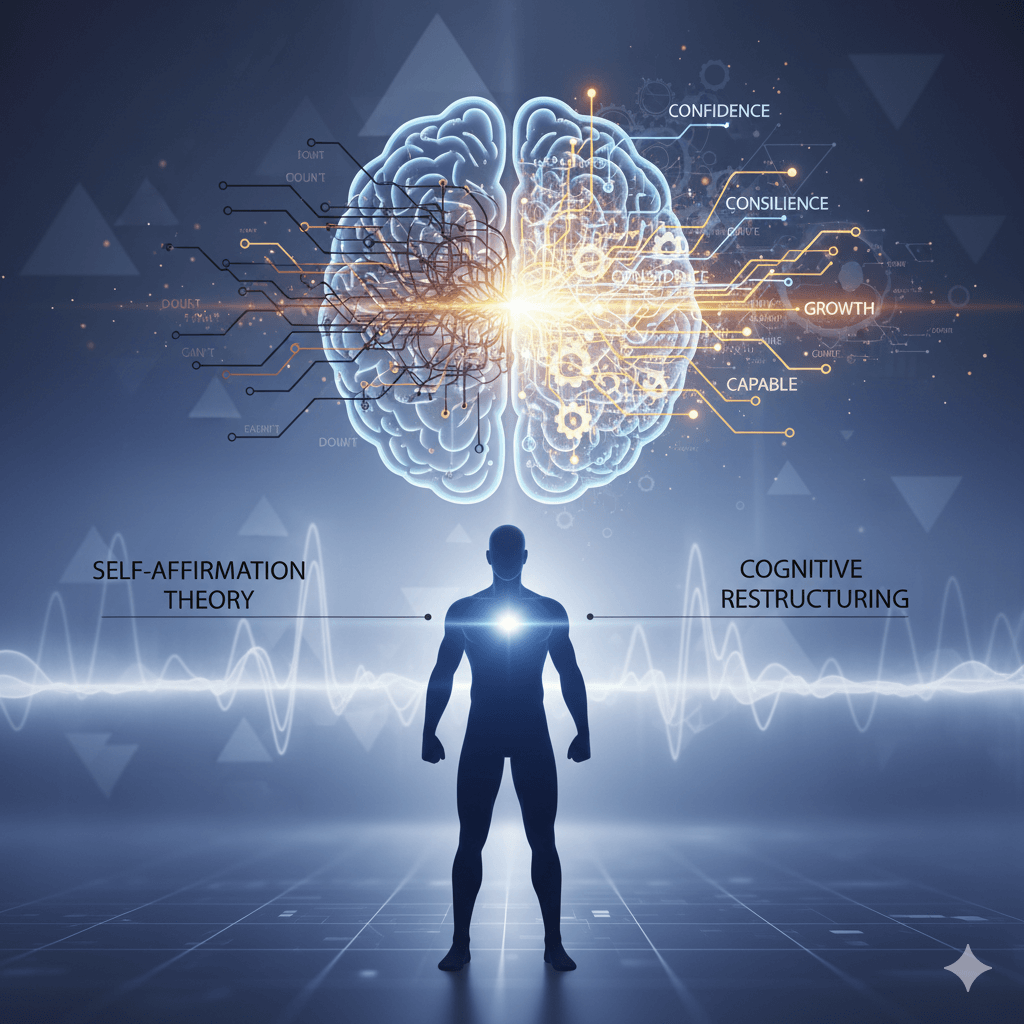
Psychological theories explain the effectiveness of affirmations by highlighting how they support mental well-being and motivation. Self-affirmation theory proposes that affirmations help individuals maintain a positive self-image by reinforcing their core values and reducing threats to self-worth during stressful situations. Cognitive restructuring involves replacing negative and unhelpful thought patterns with positive ones, helping people build resilience and enhance goal-directed behavior. Together, these theories emphasize that affirmations can rewire thought processes to improve confidence, reduce stress, and promote a more optimistic outlook on challenges and success.
Brain Imaging Studies: How affirmations activate specific brain regions related to self-processing and motivation
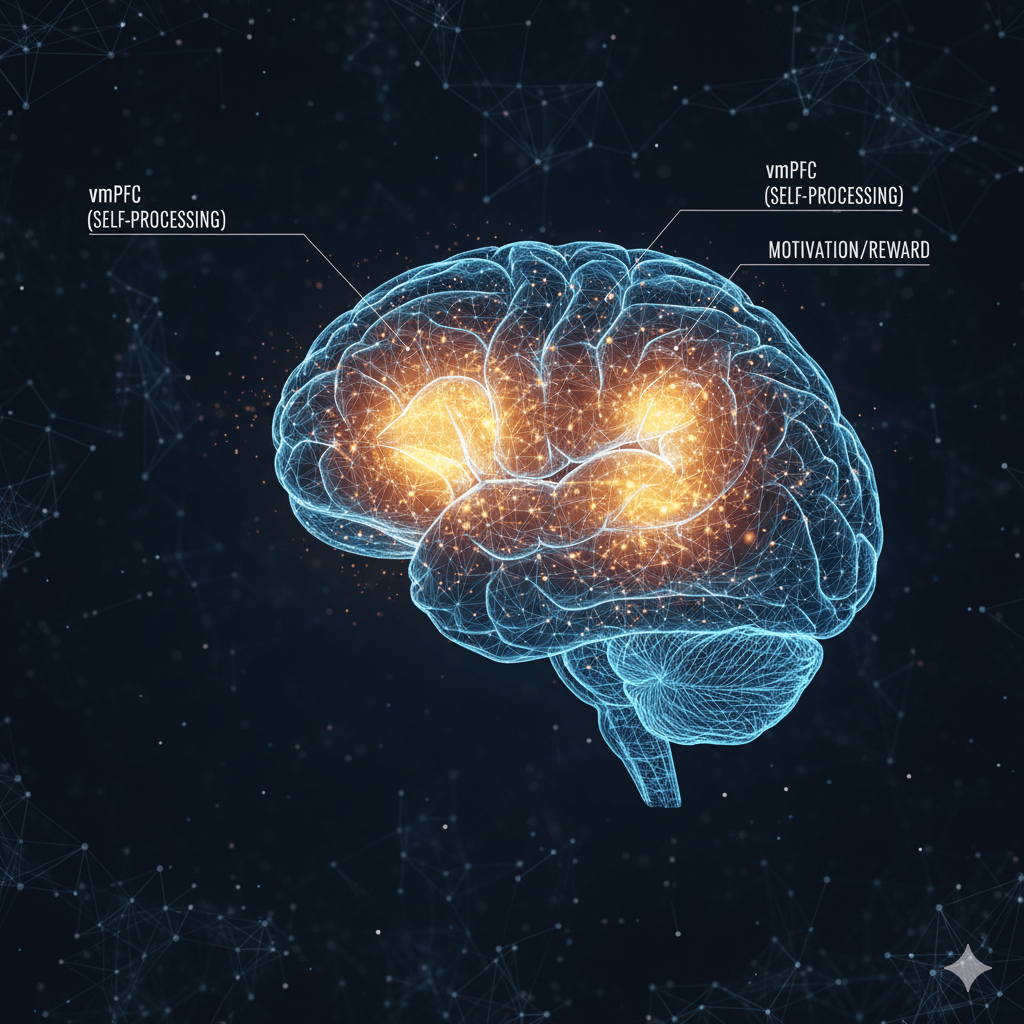
Brain imaging studies reveal that affirmations activate specific brain regions involved in self-processing and motivation. Areas like the ventromedial prefrontal cortex (vmPFC) show increased activity during affirmation practice, which helps reinforce positive self-views and reduce stress responses. This neural activation supports emotional regulation, goal commitment, and resilience, explaining how affirmations can effectively rewire the brain to promote confidence and motivational states.
Effects on Stress and Anxiety: Research on affirmations reducing cortisol and improving emotional regulation
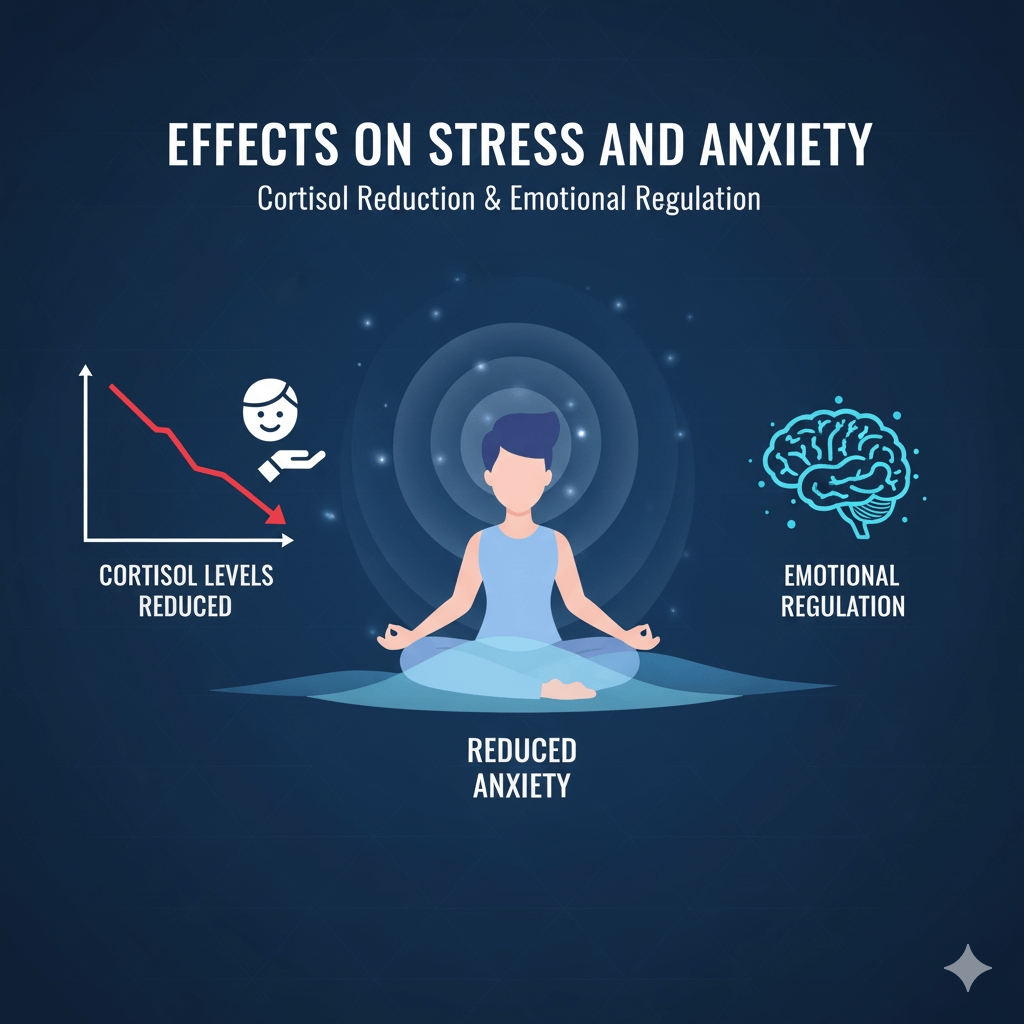
Research shows that practicing affirmations significantly reduces cortisol levels, the hormone associated with stress. Affirmations improve emotional regulation by activating brain regions responsible for self-control and positive thinking, which helps individuals manage anxiety and stress more effectively. These benefits contribute to enhanced mental well-being, resilience, and a calmer, more focused mindset, making affirmations a valuable tool in stress management.
Impact on Behavior and Performance: Studies showing improvement in academic, athletic, and workplace outcomes

Studies demonstrate that affirmations positively impact behavior and performance across various domains. In academics, students using affirmations show increased focus, motivation, and improved grades. Athletes benefit from enhanced confidence and mental resilience, leading to better performance under pressure. In workplaces, affirmations contribute to higher productivity, reduced stress, and improved problem-solving abilities. These improvements reflect how affirmations foster a positive mindset, boosting overall effectiveness and success.
Personalization: Why tailoring affirmations enhances their effectiveness

Tailoring affirmations to an individual’s unique beliefs, goals, and experiences greatly enhances their effectiveness. Personalized affirmations resonate more deeply with the subconscious mind, creating a stronger emotional connection and increasing motivation. They feel authentic and relevant, making it easier to internalize positive messages, break negative patterns, and reinforce desired behaviors specific to one’s personal journey. This customization maximizes the impact of affirmations on mental and emotional well-being.
Neural Plasticity and Affirmations: How repeated affirmations can rewire brain circuits
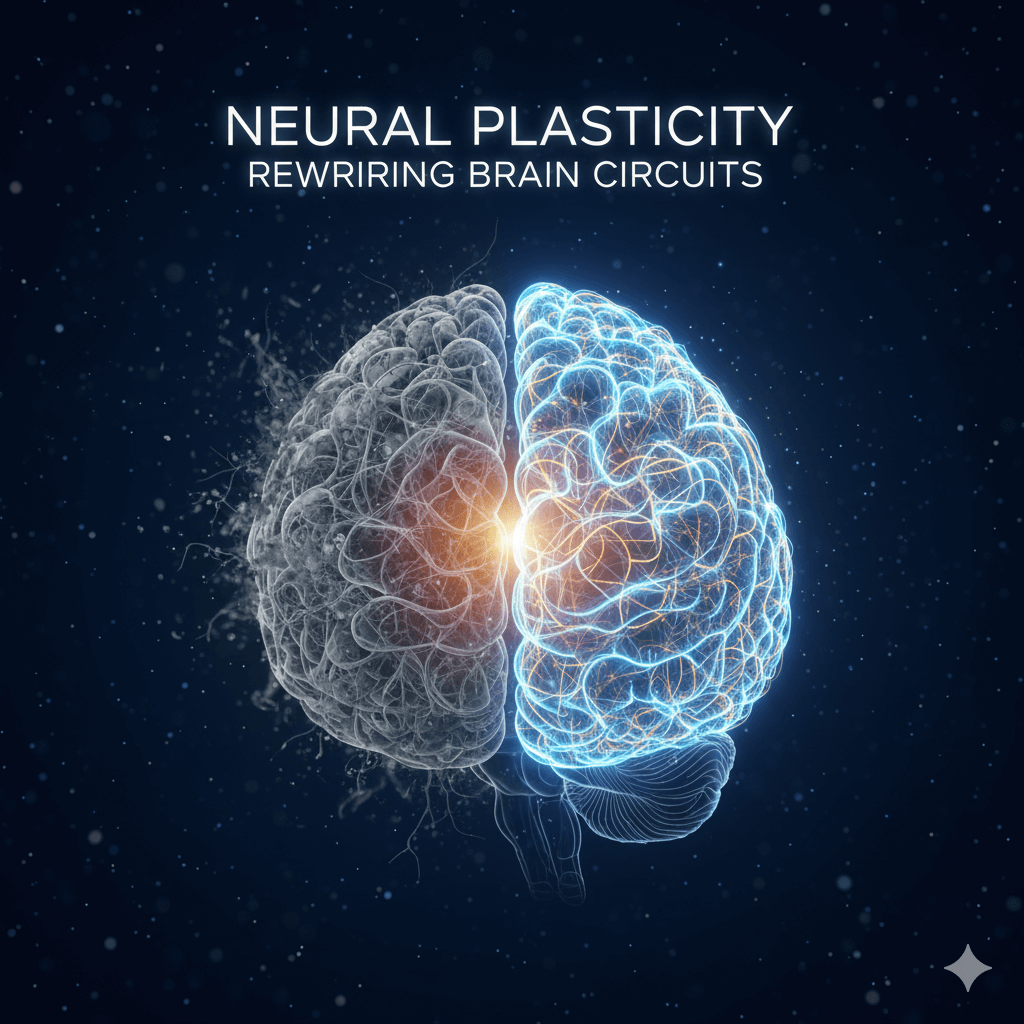
Repeated use of affirmations leverages neural plasticity—the brain’s ability to reorganize itself by forming new neural connections. Consistently practicing affirmations strengthens pathways associated with positive self-beliefs and motivational states. Over time, this rewiring helps replace negative thought patterns with empowering ones, making positive thinking more automatic and deeply ingrained. This neural change is a key mechanism behind the lasting impact of affirmations on mindset and behavior.
Limitations and Criticisms: Understanding the boundaries of affirmation research
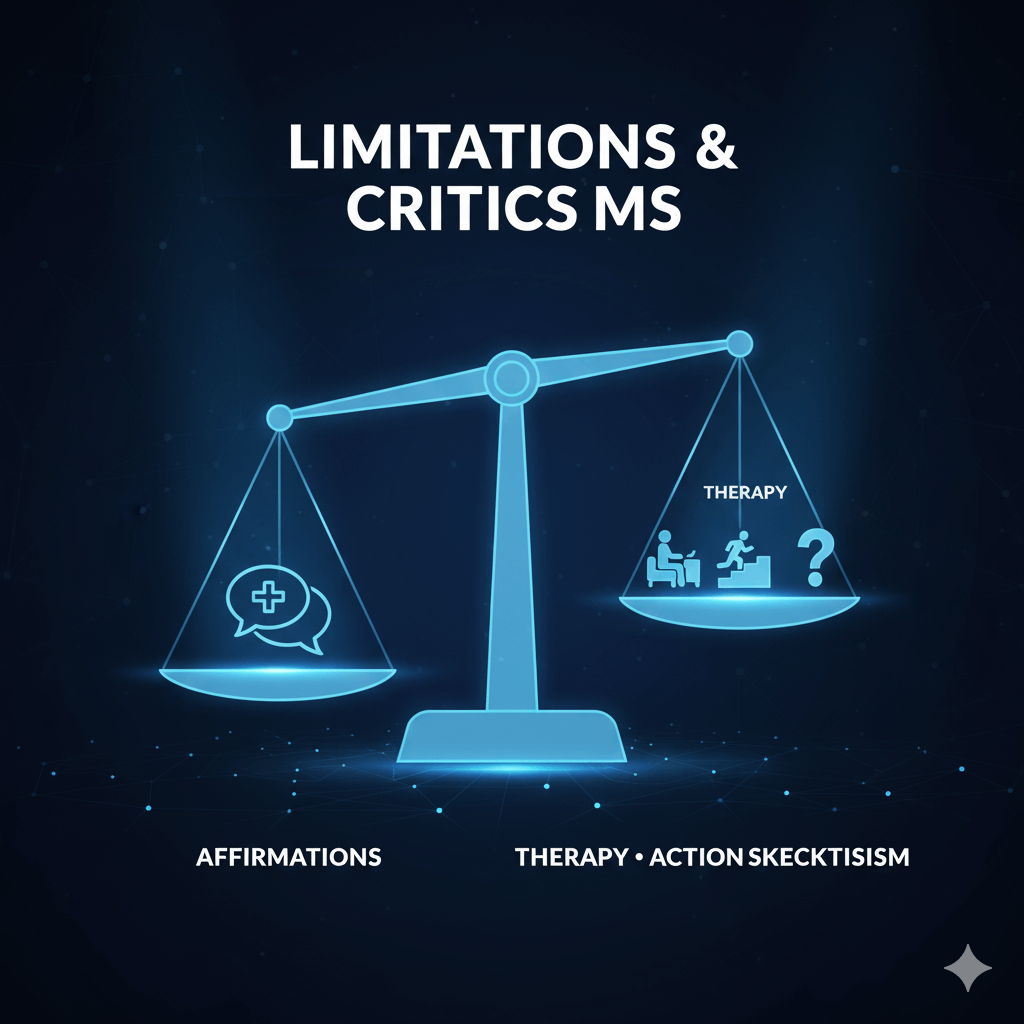
While affirmations offer significant benefits, research highlights limitations and criticisms. Affirmations alone are unlikely to solve deep-rooted psychological issues without additional therapy or behavioral changes. Their effectiveness can depend on an individual’s belief in the process; skeptics may experience less impact. Some studies report small effect sizes or placebo effects, indicating affirmations are one tool among many. Understanding these boundaries helps set realistic expectations and integrate affirmations with broader personal development strategies.
Practical Applications: How to craft and use personalized affirmations based on scientific insights

- Be Specific: Tailor affirmations to your unique goals and values.
- Use Present Tense: Phrase affirmations as if the desired outcome is happening now.
- Engage Emotion: Include feelings to strengthen the emotional impact.
- Repeat Daily: Consistency rewires the brain and builds new thought patterns.
- Pair with Action: Affirmations work best alongside concrete efforts toward your goals.
- Visualize: Combine affirmations with vivid mental imagery for deeper connection.
- Adjust as Needed: Regularly refine affirmations to stay aligned with evolving goals.
This approach maximizes the motivational and rewiring benefits that affirmations can offer.