
What is Gratitude?
Gratitude is the feeling of being thankful and appreciating the good things in your life. It’s about recognizing the kindness, help, or positive experiences you receive, no matter how big or small. Practicing gratitude helps you focus on what’s valuable and meaningful, boosting happiness and strengthening relationships. It’s a simple but powerful way to improve your overall well-being.
How Does Gratitude Works?
Gratitude works by changing the way your brain processes emotions and rewards. When you think or feel thankful, your brain releases dopamine and serotonin, which boost happiness and calm stress. Gratitude also strengthens neural pathways that promote positive thinking while reducing negative patterns. This rewiring helps you manage emotions better, feel more connected, and improve overall mental well-being, creating a powerful cycle of positivity and resilience.
How Gratitude Activates the Brain’s Reward System
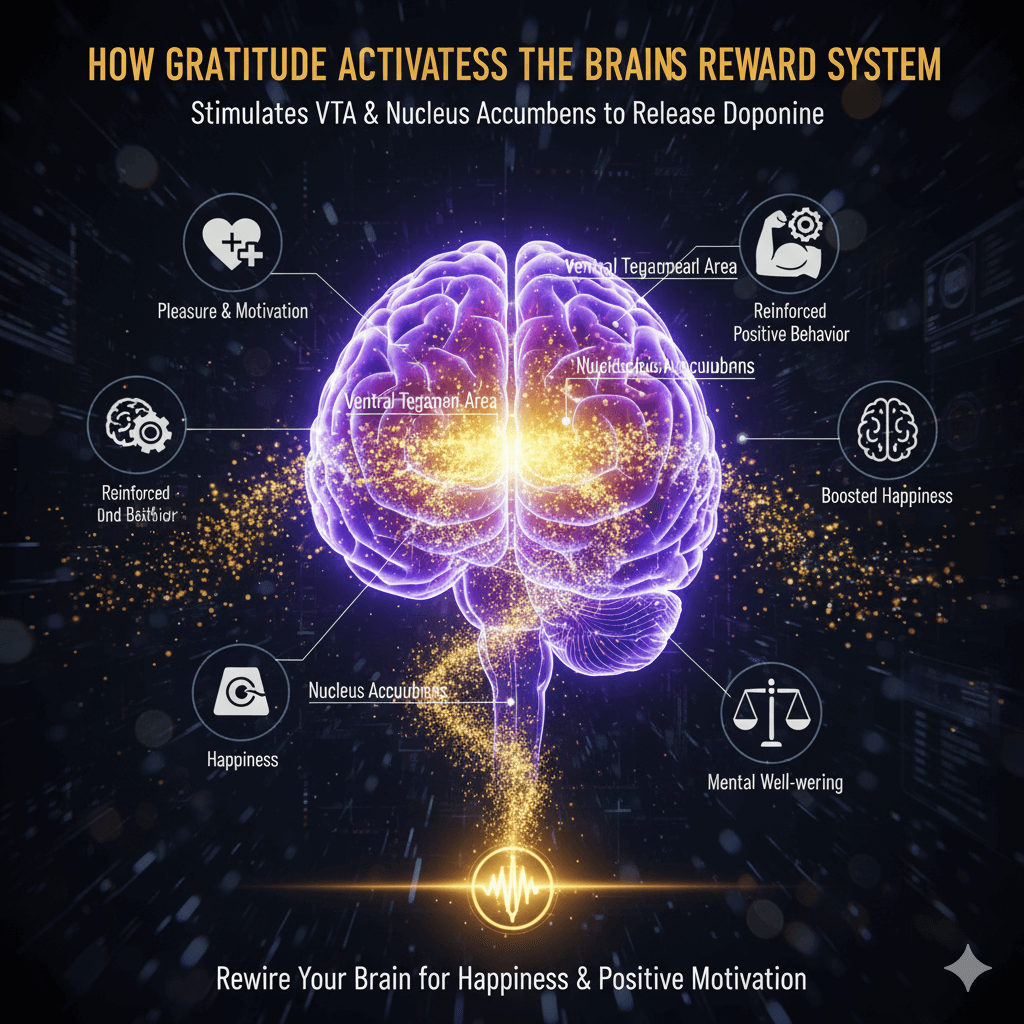
Gratitude activates the brain’s reward system by stimulating areas like the ventral tegmental area and nucleus accumbent, which release feel-good chemicals such as dopamine. This creates feelings of pleasure and motivation, reinforcing positive behavior and encouraging more grateful thoughts. Essentially, being thankful naturally boosts your brain’s happiness circuits, making gratitude a powerful tool for mental well-being.
The Role of Dopamine and Serotonin in Gratitude
Dopamine and serotonin are key brain chemicals involved in gratitude. When you feel thankful, dopamine—the reward neurotransmitter—is released, creating pleasure and motivation. Serotonin, the mood stabilizer, increases too, helping reduce anxiety and depression. Together, they enhance feelings of happiness and well-being, making gratitude a natural mood booster that supports mental health and emotional balance.
Gratitude’s Impact on the Prefrontal Cortex and Emotional Regulation
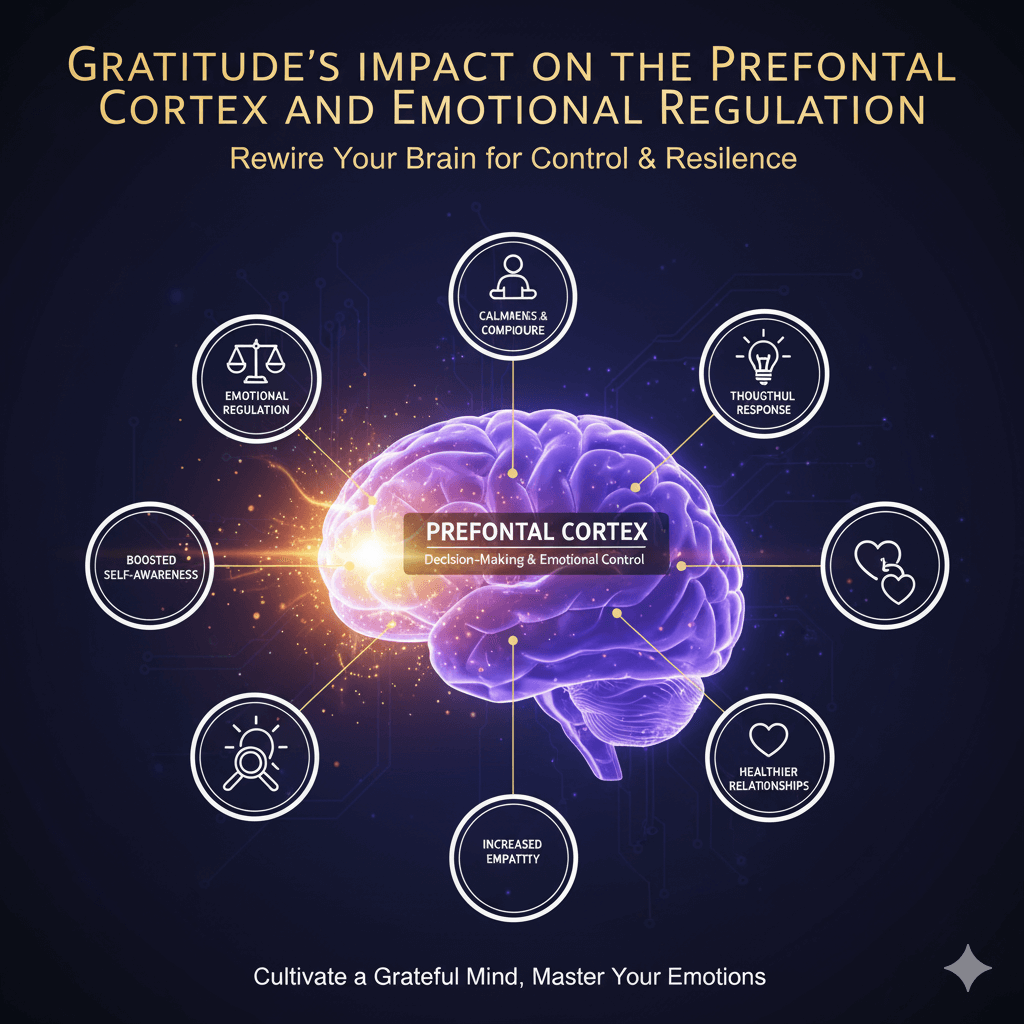
Gratitude positively impacts the prefrontal cortex, the brain area responsible for decision-making and emotional control. Practicing gratitude strengthens this region, improving your ability to manage emotions, stay calm, and respond thoughtfully to challenges. This enhancement boosts self-awareness and empathy, promoting healthier relationships and emotional resilience over time.
How Gratitude Reduces Stress by Calming the Amygdala
Gratitude reduces stress by calming the amygdala, the brain’s fear and emotion center. Regular gratitude practice lowers amygdala activity, which helps manage anxiety and decreases the release of stress hormones like cortisol. This calming effect promotes emotional balance, reduces feelings of fear, and supports a calmer, healthier nervous system—essential for coping with daily stress and improving overall well-being.
Neural Plasticity and the Transformative Power of Gratitude
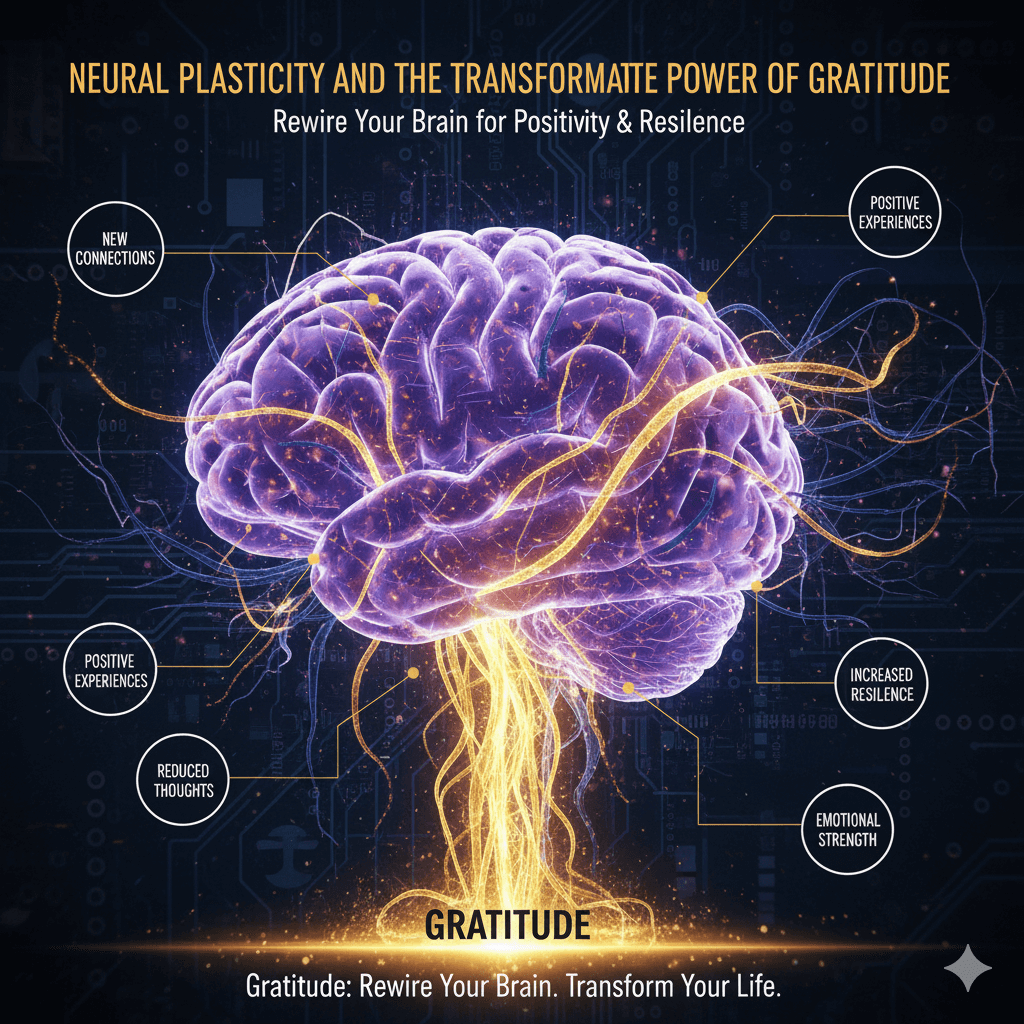
Neural plasticity is the brain’s amazing ability to change and adapt by forming new connections between neurons. Gratitude taps into this power by helping your brain rewire itself to focus more on positive experiences and emotions. This shift reduces negative thought patterns and boosts emotional resilience.
How Gratitude Enhances Neural Plasticity:
- Regular gratitude practice strengthens neural pathways related to positive emotions.
- It increases activity and even gray matter in areas like the medial prefrontal cortex, responsible for decision-making and emotional regulation.
- By activating reward centers, gratitude encourages the release of dopamine and serotonin, reinforcing happiness circuits.
- Gratitude calms the amygdala, lessening anxiety and fear responses.
- These brain changes help create lasting mental habits focused on optimism and well-being.
Transformative Benefits of Gratitude Through Brain Change:
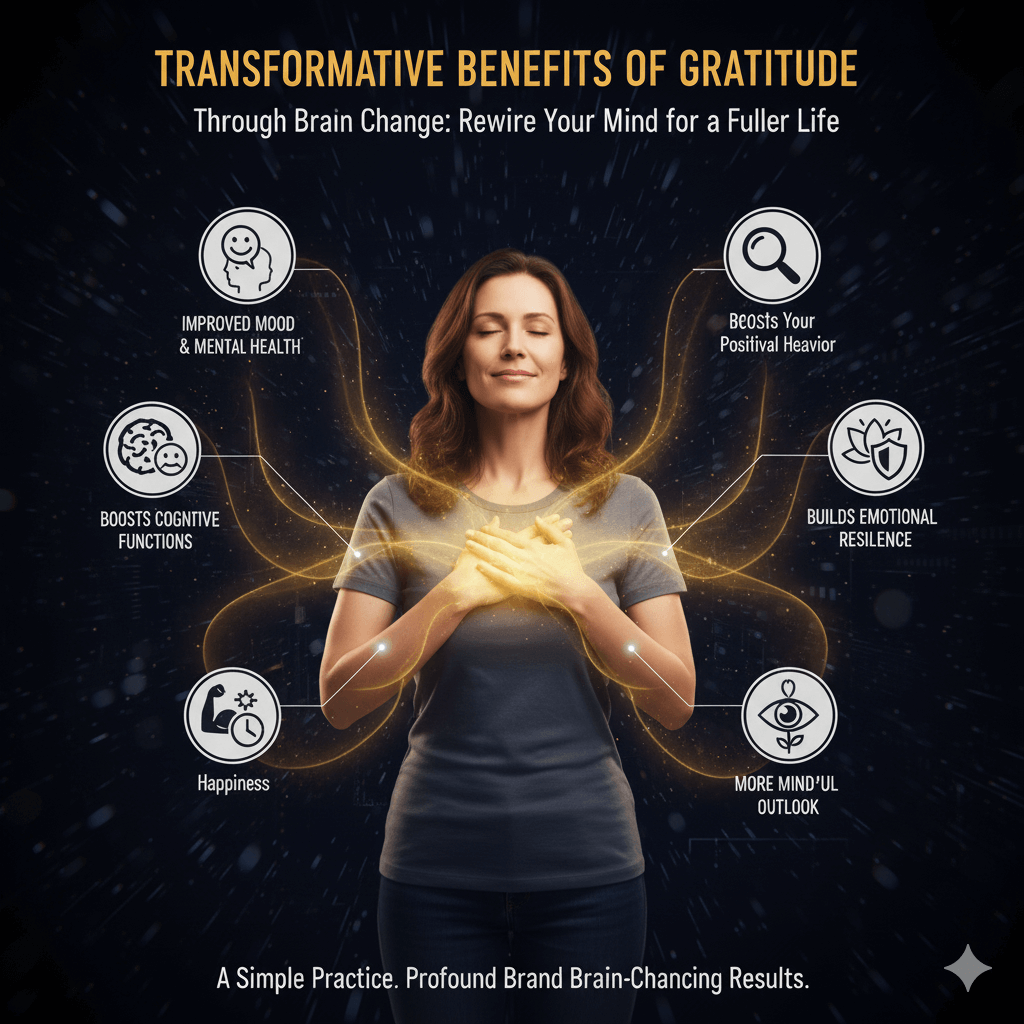
- Improves mood and reduces symptoms of depression and anxiety.
- Boosts cognitive functions like attention, empathy, and problem-solving.
- Builds emotional resilience, helping you cope better with stress or setbacks.
- Encourages a more mindful, present-focused outlook on life.
- Enhances social bonding by promoting empathy and positive interactions.
In essence, practicing gratitude isn’t just a feel-good exercise—it physically reshapes your brain, enabling long-term emotional growth, better mental health, and a happier life.
The Connection Between Gratitude and Improved Sleep Quality
Gratitude has a powerful connection to improved sleep quality through its calming effect on the mind and nervous system. When you focus on what you are thankful for, your brain shifts toward relaxation, reducing stress and anxiety, which are common causes of insomnia and restless nights.
How Gratitude Enhances Sleep Quality:

- Reduces Stress Hormones: Practicing gratitude lowers cortisol, the stress hormone that disrupts sleep cycles.
- Calms the Mind: Gratitude shifts attention away from negative thoughts, allowing the brain to relax and prepare for restful sleep.
- Boosts Positive Emotions: Elevated serotonin and dopamine from gratitude promote calmness and well-being.
- Improves Sleep Duration and Efficiency: Regular gratitude practice is linked to longer, more restorative sleep.
- Supports Healthy Sleep Habits: Writing in a gratitude journal before bed encourages a positive bedtime routine.
By nurturing a grateful mindset, you foster emotional balance and relaxation, creating optimal conditions for deep, restful sleep that rejuvenates body and mind.